Why traceability for canned fish is not mandatory, and why we do it anyway
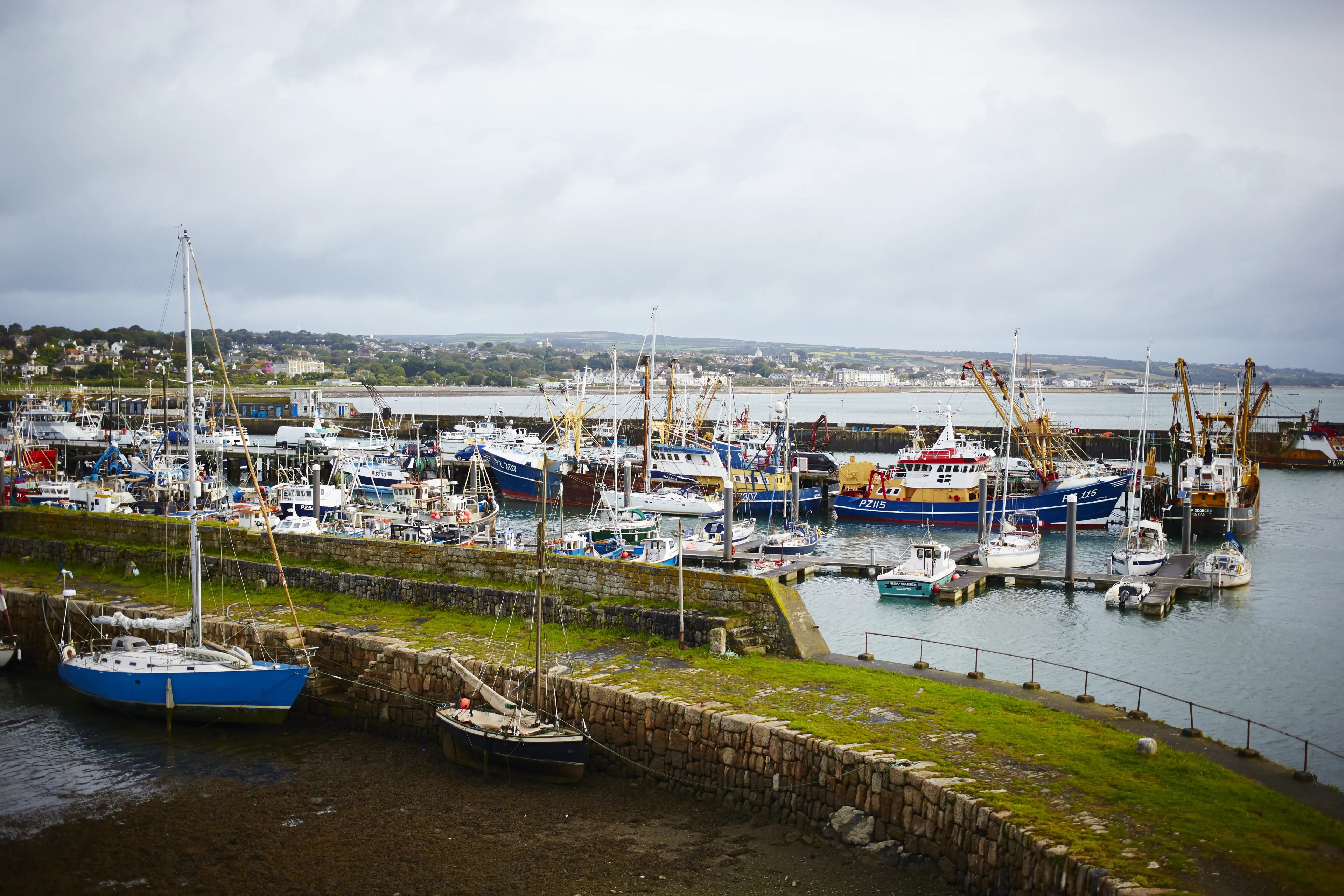
As a consumer, you want to know what you're eating and where it comes from. Yet, canned fish doesn't always have to state which species it is, or where it was caught and how. Bizarre, right? For fresh fish, the rules in the EU are strict and clear. But as soon as fish is processed and canned, the legislation changes.
Why isn't this information mandatory?
Canned fish falls under the category of processed products. For these products, the law primarily focuses on food safety, correct ingredient labeling, and nutritional values. Information about species, fishing area, and fishing method is therefore not mandatory to state.
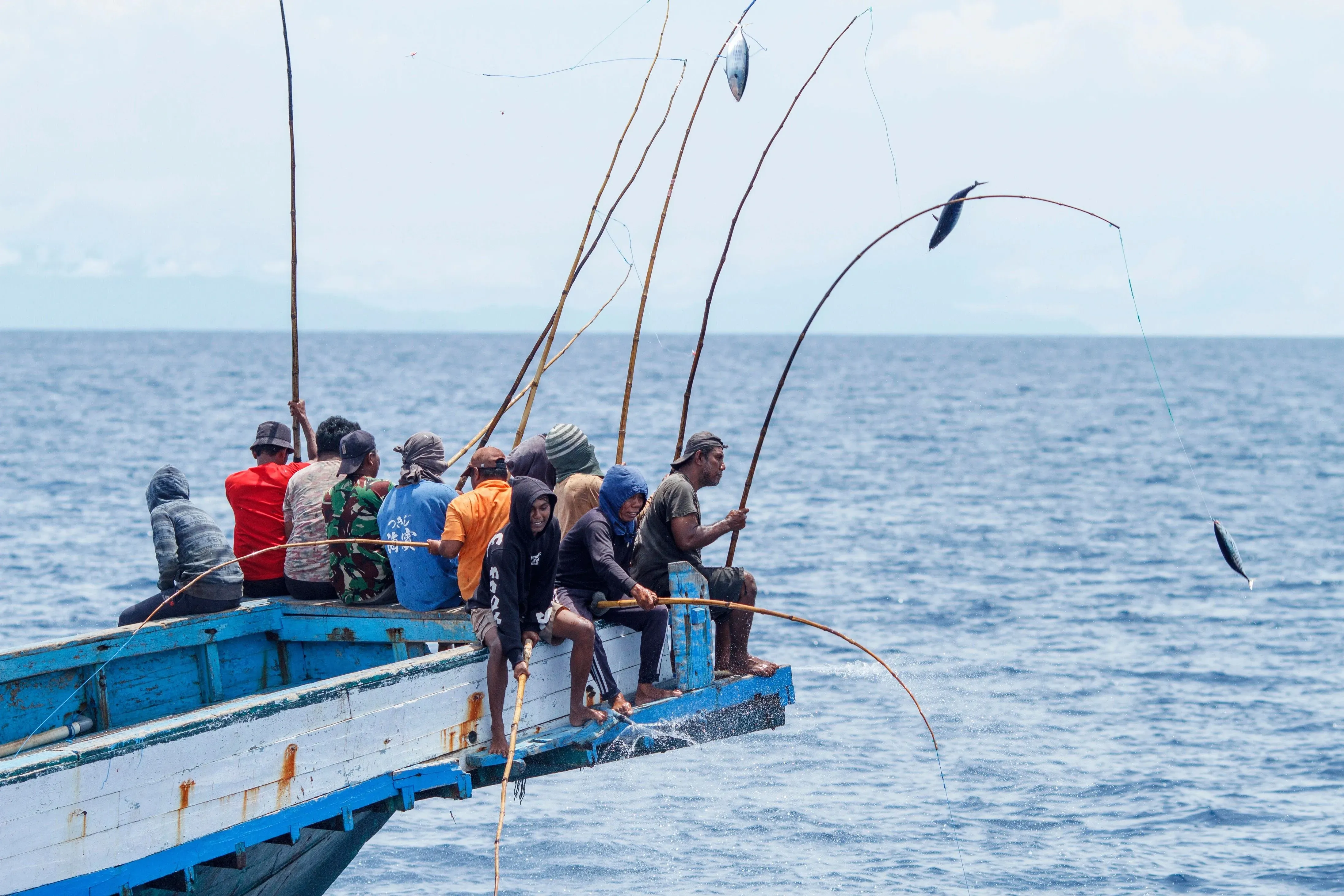
This is strange, especially since that data says a lot about sustainability, quality, and the impact on the ecosystem. The differences between species of, for example, skipjack and yellowfin tuna, are large, and the same applies to fishing areas and methods.
At Fish Tales, we choose full transparency
We believe you should be able to see what you're eating and where it comes from. Not globally, but precisely. That's why, since the founding of Fish Tales, we go further than what the law requires.
For all our products:
- Full traceability right back to the fishery
- Information about which fishery is responsible for your fish
- Fishing methods with minimal bycatch, consciously chosen per species
- Direct contact with the fisheries we collaborate with
Transparency is a must for us.
Traceable to the source
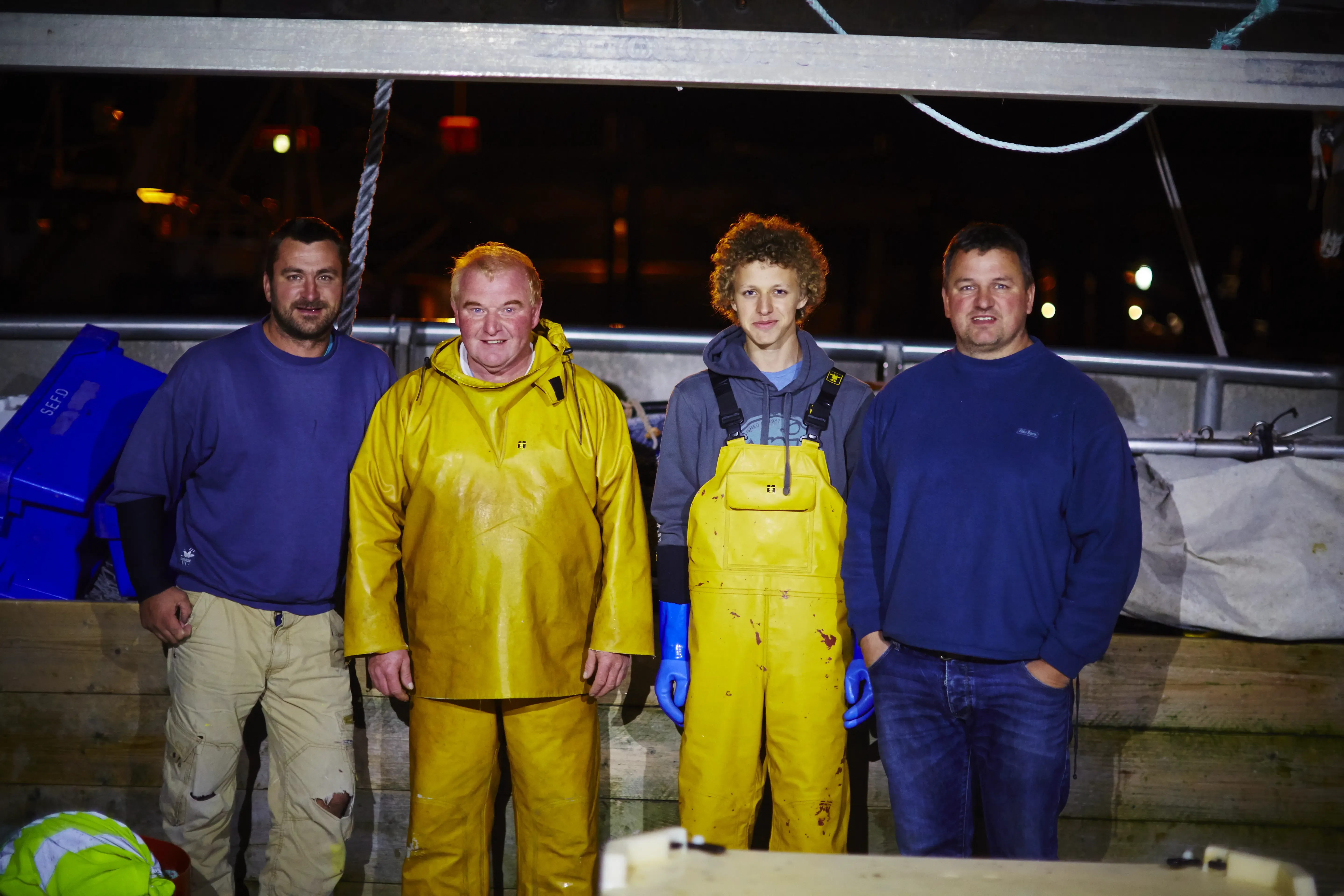
Due to our products being fully traceable, we know exactly which fishery each fish comes from. We also visit the fisheries and meet the fishermen! That makes it possible to tell the honest story behind our fish.
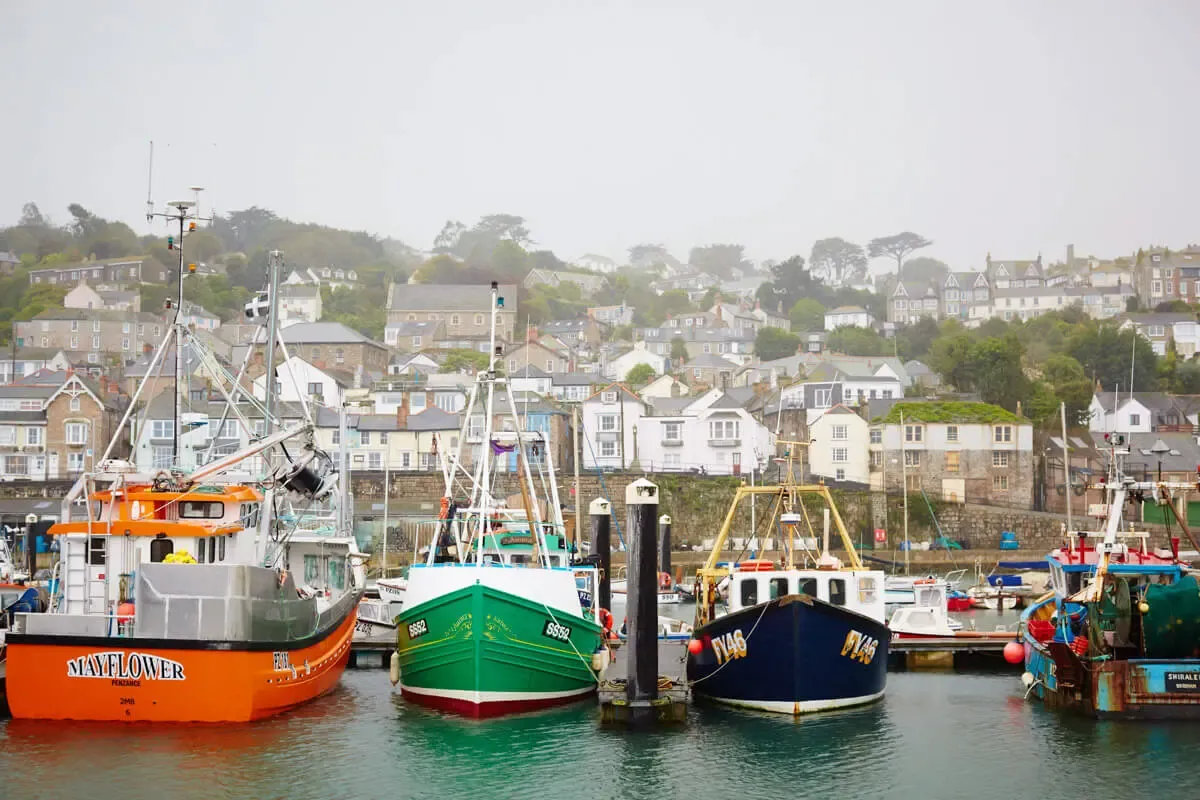
Pilchard sardines from Cornwall
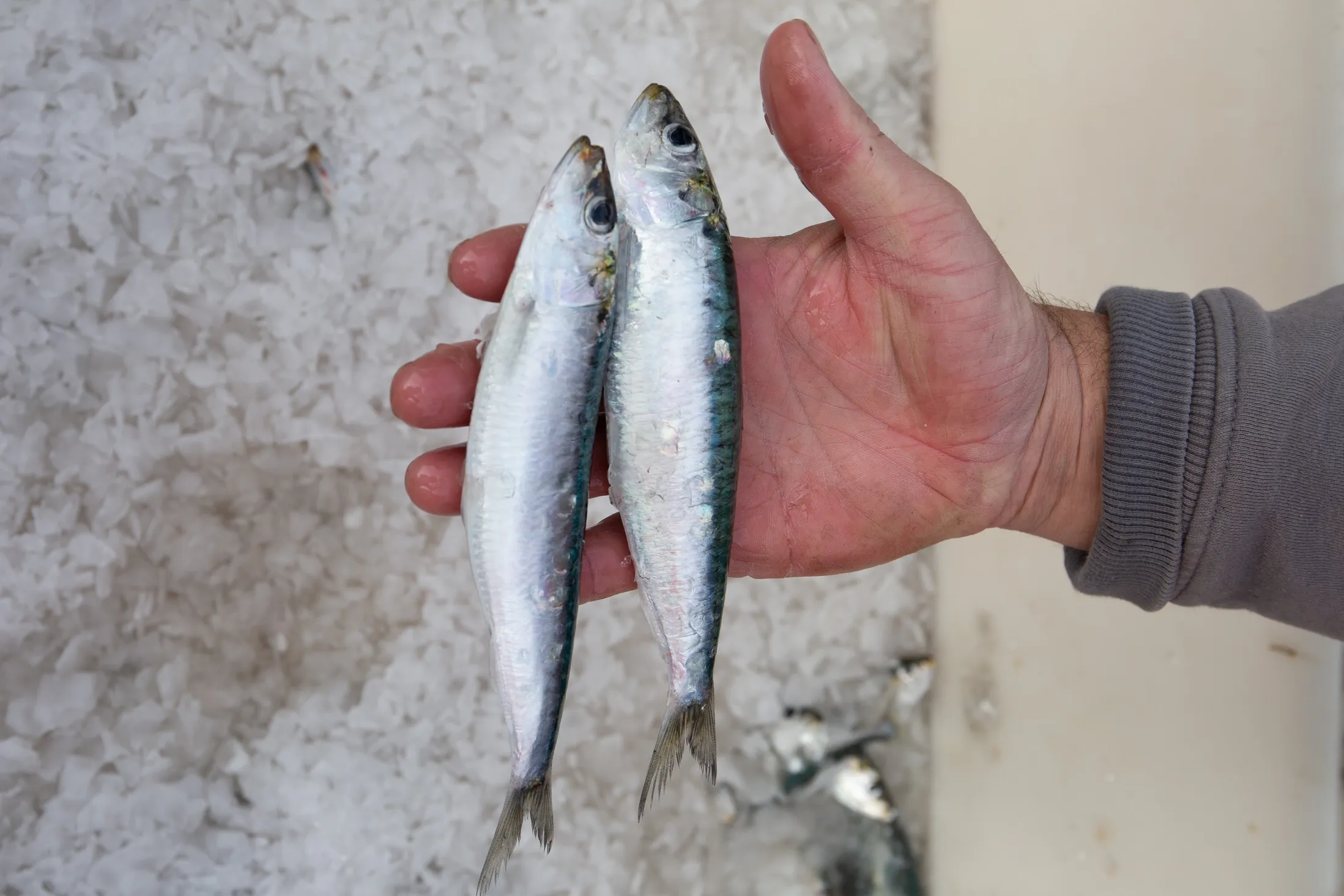
Our sardines are Pilchard sardines – these are the European sardine species (Sardina pilchardus) that swim in compact schools off the coast of Cornwall. In Newlyn, a small harbor town in southwest England, fishermen like David sail their ring net boats out into the bay as evening falls.
With special lamps, the crew lures the sardines to the surface. When a school becomes visible, the ring net is deployed: like a basket, it closes around the compact school. Thanks to the Pilchards natural behavior to swim towards the light, the catch is efficient, careful, and has minimal bycatch.
We work directly with this fishery, so we know exactly:
- where the fish is caught (Cornwall)
- how it happens (small ring nets)
- Where our fishermen come from
This information comes from direct collaboration. Want to know more about the fishery? Read more here!
Why this is important
Origin, species, and fishing method are crucial for the health of the ocean and the quality of what you eat. By sharing this information, consumers can consciously choose fisheries that operate carefully and deliver high-quality fish. As long as the law does not mandate this, we will continue to do it ourselves. Meanwhile, together with our partners, we are working to exert pressure on European Legislation to break open and amend these laws.
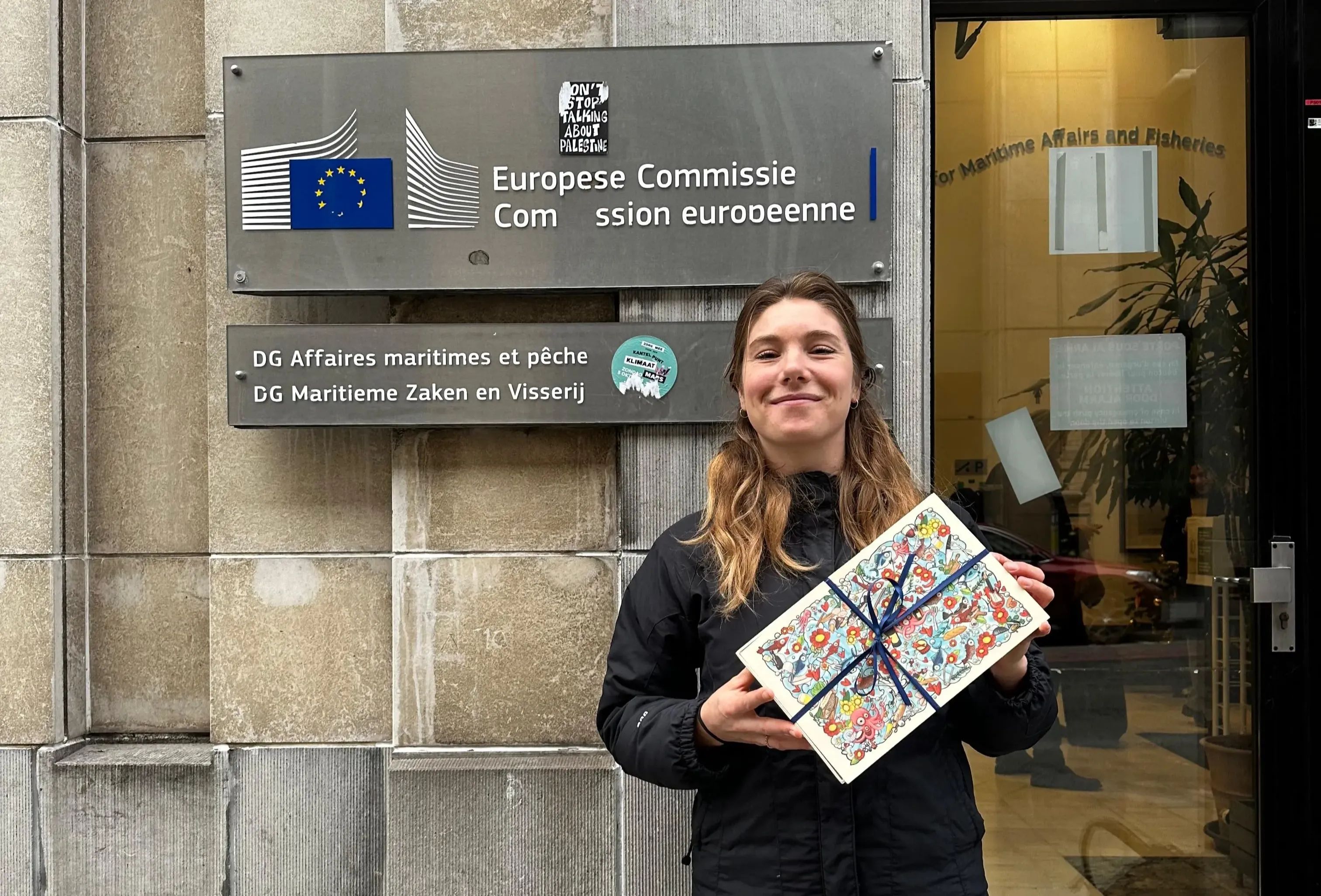
Yesterday, our Impact & Fisheries Manager Irene took this message to Brussels. At the invitation of Oceana, she joined two other organizations to make it clear to the European Commission's Oceans Unit that it is high time to close this outdated loophole in the law and enforce real, full traceability throughout the entire fisheries supply chain.
Because when information is missing, accountability disappears. And without accountability, our oceans have no future.