Making an impact
Together with fisheries, we work on further improvements
Fish Tales collaborates with carefully selected fisheries; no overfishing and only fishing methods with the absolute minimum bycatch. This way, we ensure that all our fish are sustainably caught, with love for the ocean. But we are not done yet. Because even the fisheries we choose have some challenges that we can work on together. This can include improving working conditions for fishermen, their wage models, or the welfare of the fish. It could also be that a fishery is interesting for Fish Tales to work with, but does not yet 100% meet our purchasing criteria. Our impact team works with these fisheries on improvement projects. A few adjustments can be enough. Previously, we carried out these projects within the Fish Tales Foundation. Since 2026, we have integrated the improvement trajectories into our own impact team at Fish Tales.
Through projects, we work to further improve fisheries. These projects cover various topics, but always in collaboration with the fisheries. This is what we have achieved!


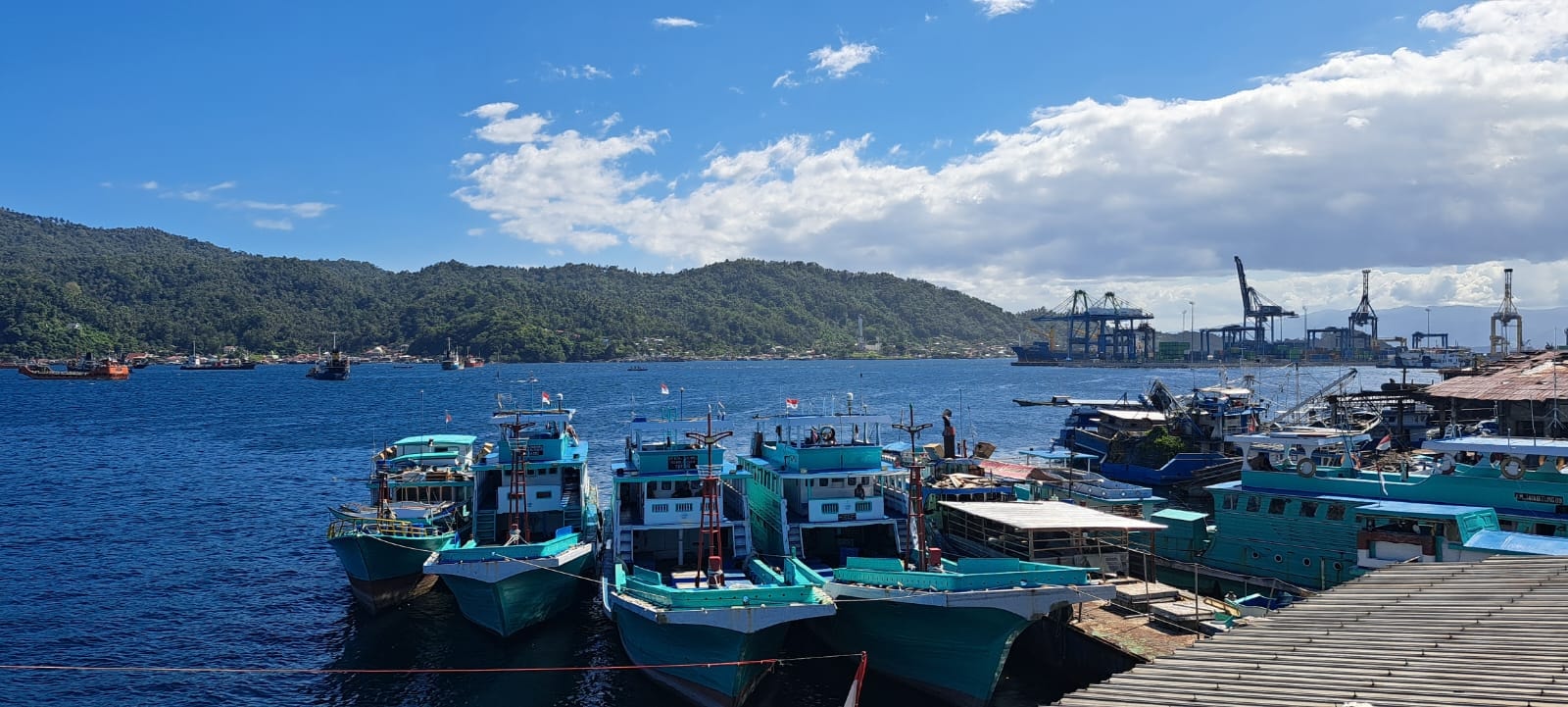
Small-scale tuna fisheries play an important role in the communities of Bitung and Maumere, Indonesia. Like many Indoneisan fishermen, they faced challenges to secure a fair income and safe working conditions. Together with fishermen, factory workers, and local NGOs, we initiated a project for Fair Trade certification of these fisheries. Bitung achieved this certification as early as 2020, and in 2025, the fishery in Maumere also became certified! Thanks to Fair Trade, there are clear agreements on wages, safety, and additional community support. Fishermen work together in cooperatives and decide for themselves how the extra premium they receive will be used. This enables wonderful local projects, such as school supplies, food packages, and life insurance for fishing families.
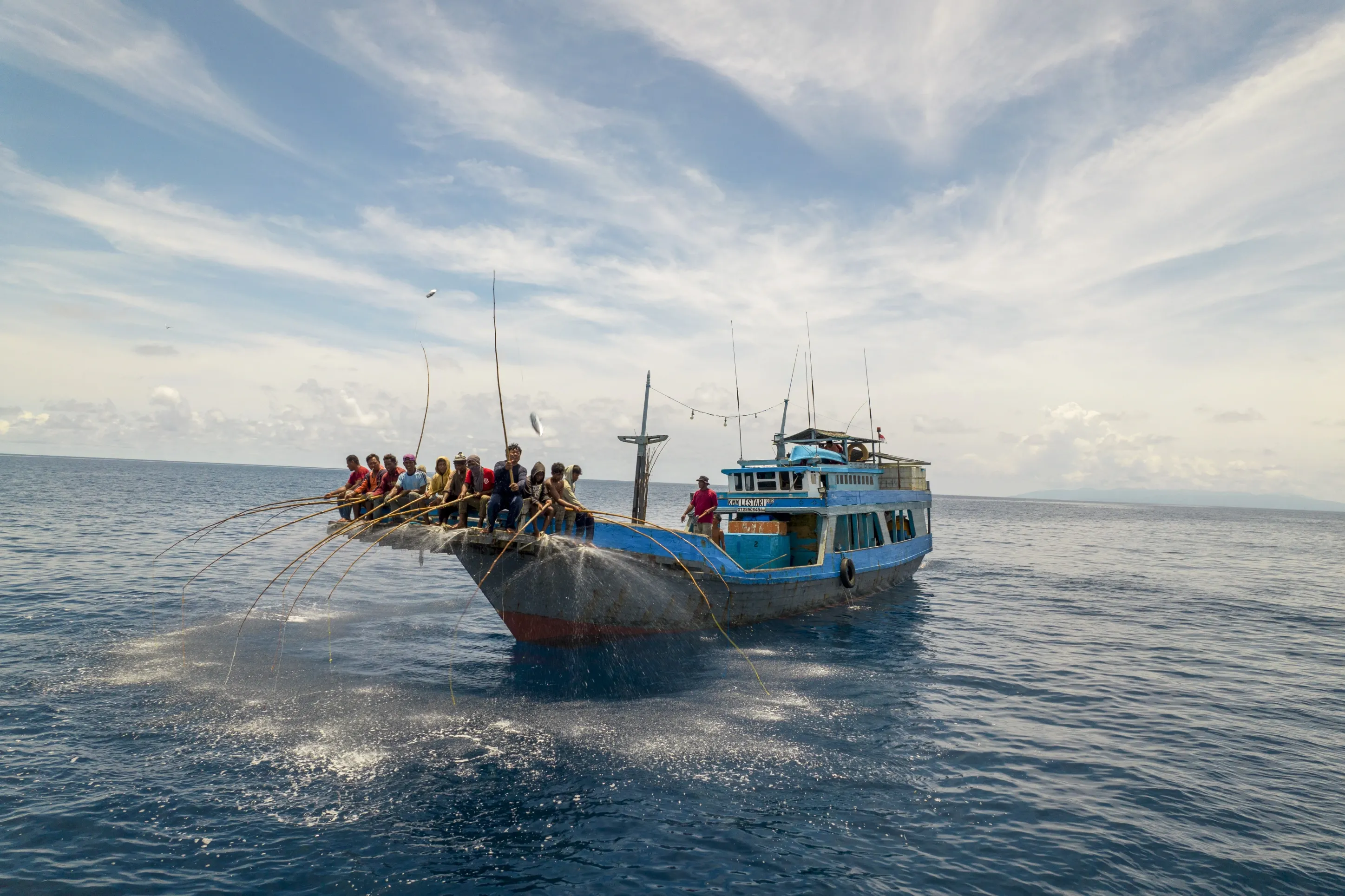
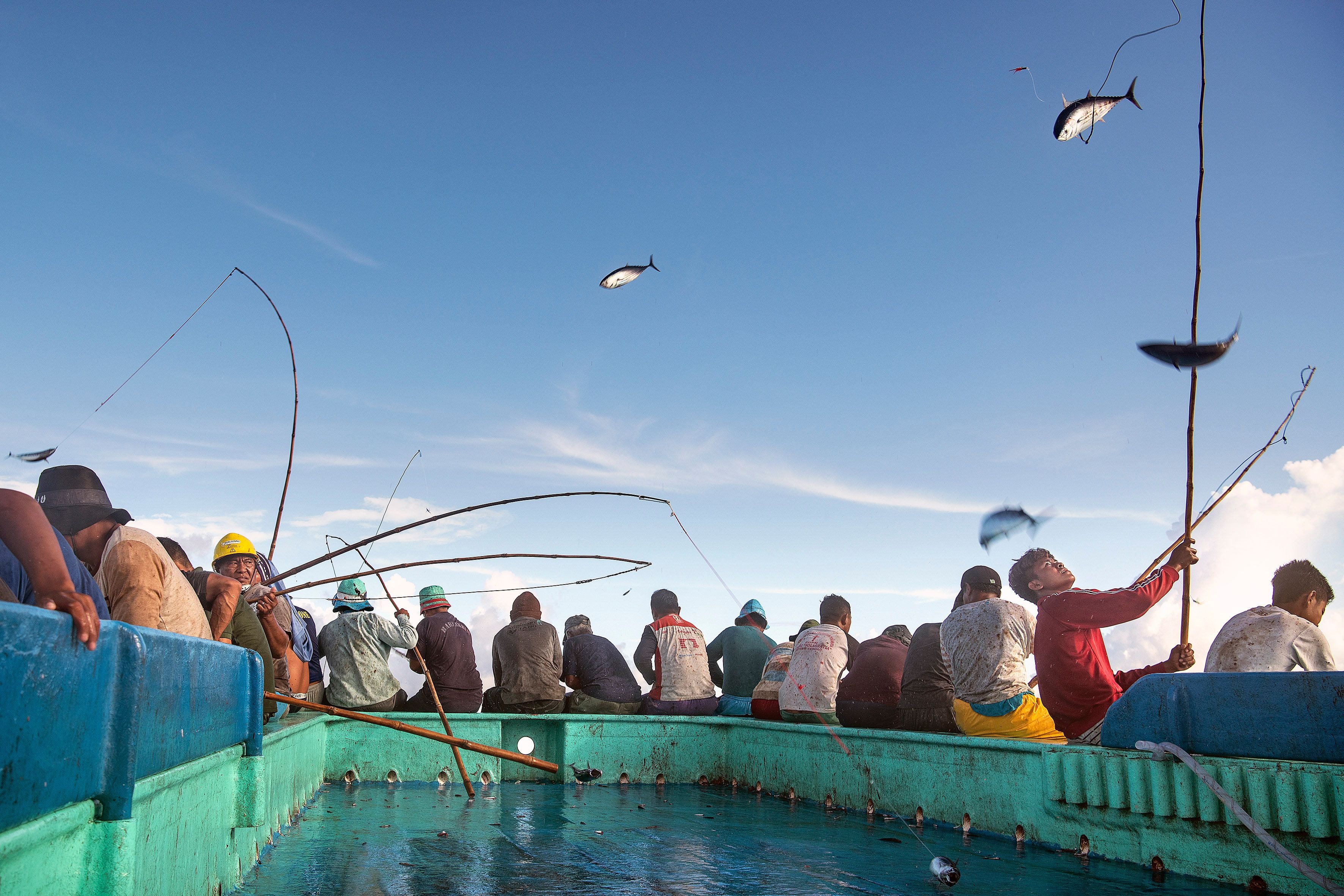
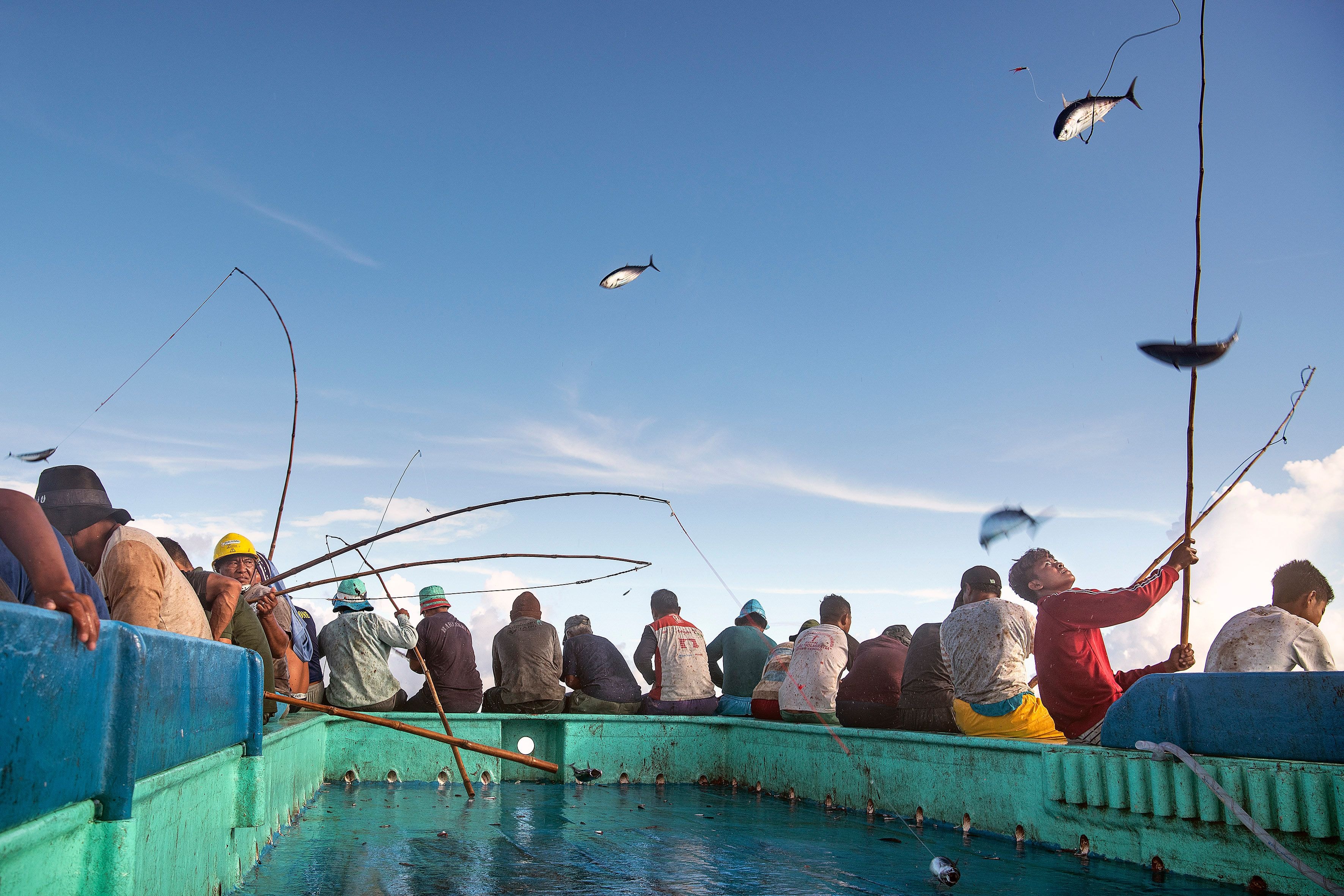
Unlike livestock farming, there are hardly any animal welfare guidelines for wild fisheries. At the same time, it is known that fish can experience pain and stress during capture. Together with partners such as Wageningen Livestock Research and the Catch Welfare Platform, work is underway to develop a practical and humane method to kill skipjack tuna faster and with as little stress as possible. For this purpose, a special device is being designed and tested, both in the lab and on board vessels in Indonesia. Additional improvements are also being investigated, such as gentler ways to bring fish on board. This groundbreaking project can be an important step in improving fish welfare within the global tuna fishery. In addition to better welfare standards, effects on the crew and product quality are also being considered, and awareness is being created around this little-highlighted topic.
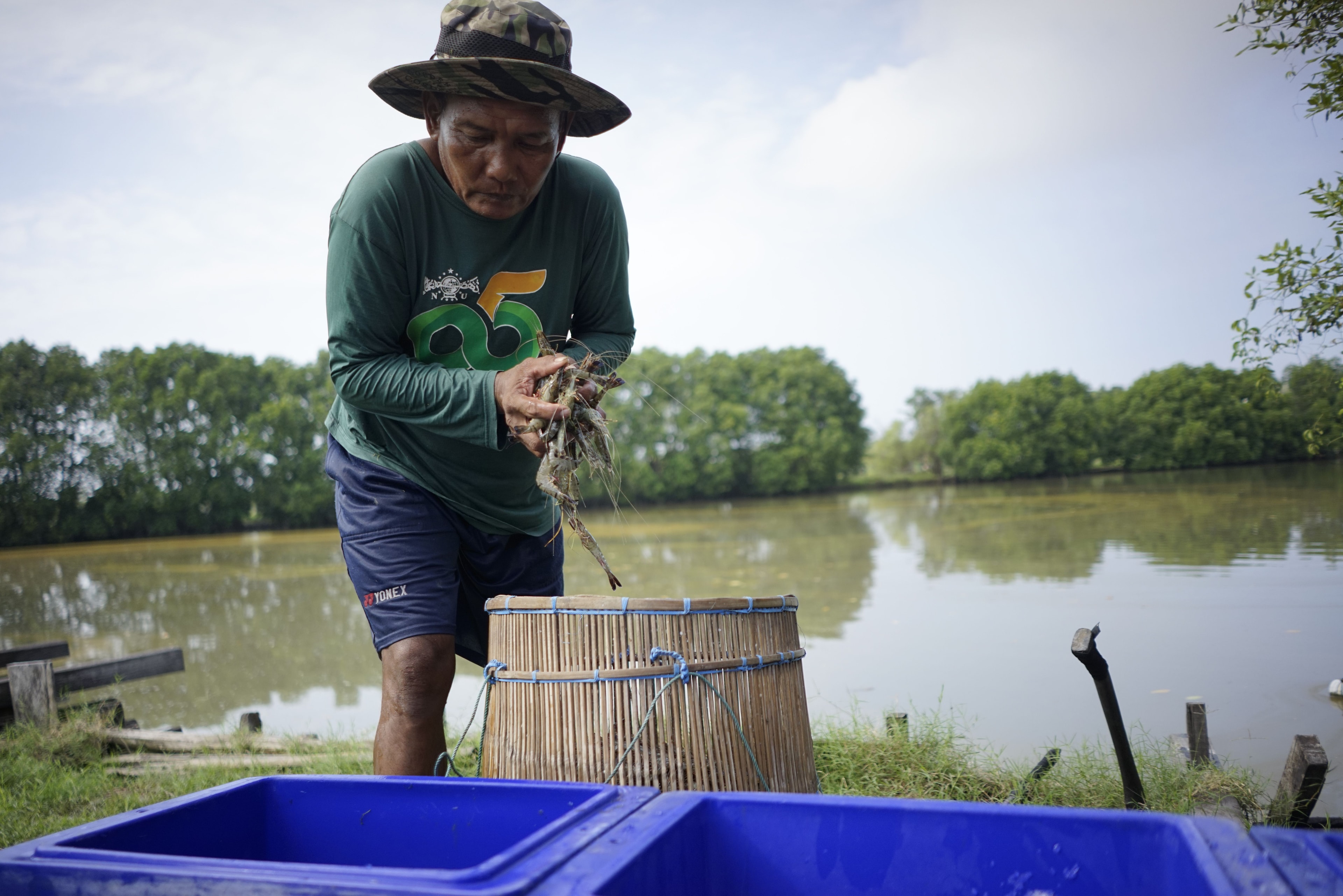
Small-scale shrimp farmers in Indonesia play an important role in the production of tropical shrimp for the European market. At the same time, they face challenges such as climate change, waste management, fair income, and better traceability within the supply chain. Together with Good Fish, PT. Atina, and ASIC, Fish Tales worked on a future-proof and sustainable shrimp supply chain in Indonesia. Since 2018, farmers received training on sustainable farming methods, social policy, gender equality, and better farm management. The black tiger shrimp are traditionally farmed in natural ponds, without chemicals and with natural feed. Through intensive collaboration and guidance, farmers' knowledge has increased, and sustainable practices have been further strengthened. Attention was also paid to fair incomes, living wages, and opportunities for further certification. Although the project has now been completed, the acquired knowledge, training, and collaborations form a strong foundation for the future of sustainable shrimp farming in Indonesia.
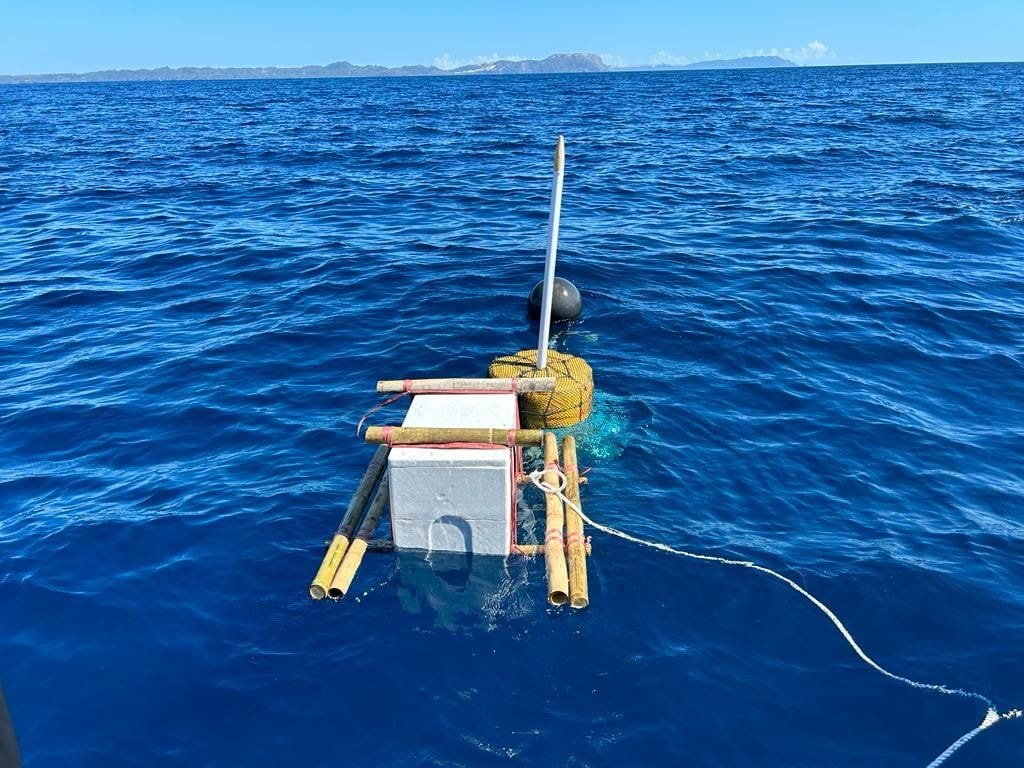
Pole-and-line fisheries are heavily dependent on live bait. This IPNLF project investigates whether they can mimic live bait with light and sound. A kind of underwater disco! When tuna see these lights, their hunting instinct is activated, and they bite the hooks. If this works, less live bait will be needed to catch tuna. This means fishermen can fish more efficiently, and less live bait will need to be caught. The device and its effectiveness are still under investigation. Meanwhile, we are working on training the crew on efficient use of bait and work on technical improvement of the fish tanks on board. All to reduce bait use on the long term.
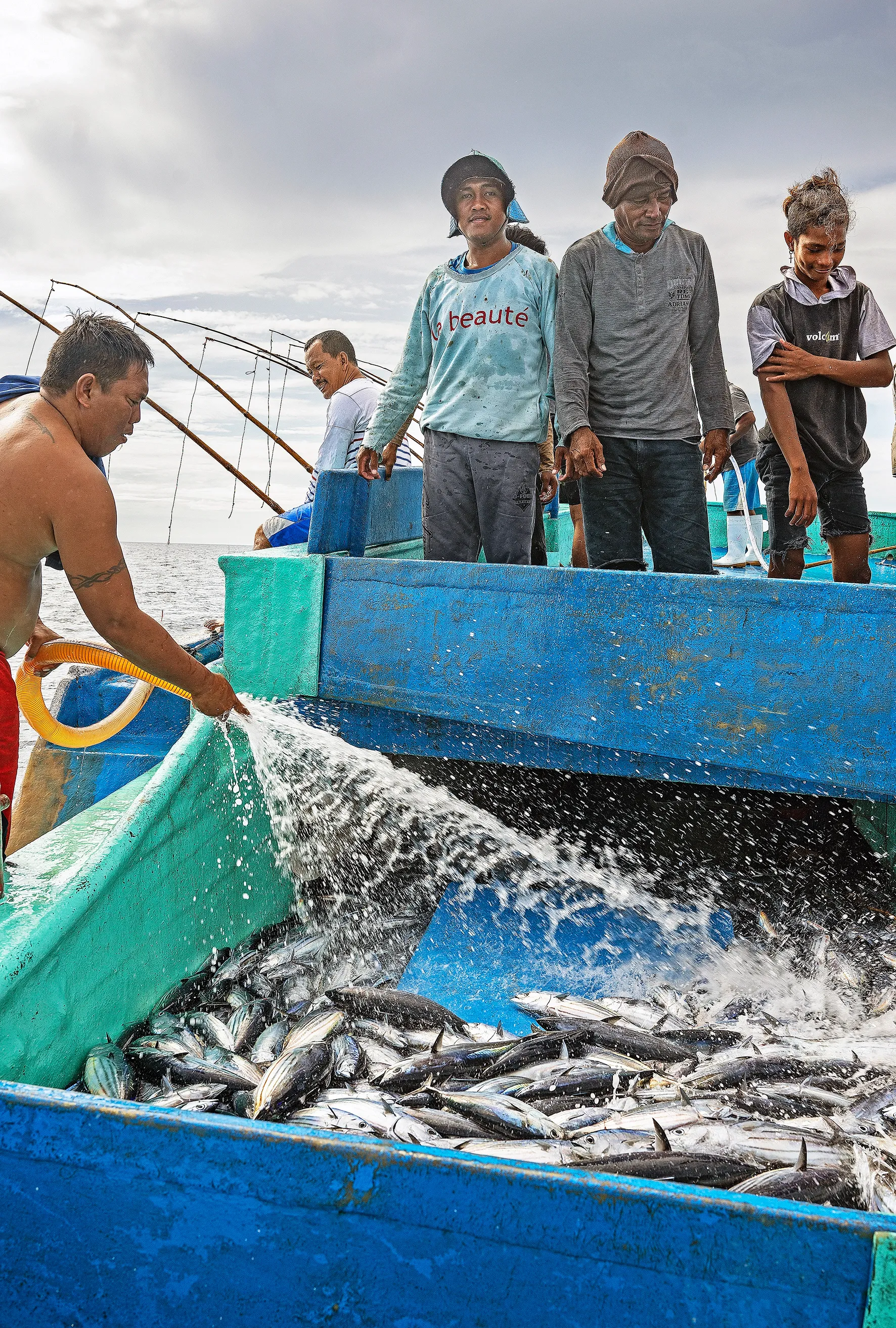
While you enjoy the best seafood, we work to increase our impact. We do this by selecting the best fisheries, encouraging the industry and policymakers to change course, and by initiating improvement projects with fisheries. In this way, we contribute to ensuring that the oceans remain a healthy source of food and income for all people whose lives depend on fishing: the fishermen, fishing communities, and their families.