What is sustainable fish? Here’s what the Dutch Consumers’ Association says
This month, the Dutch Consumers’ Association (Consumentenbond) published an in-depth article about sustainable alternatives to mackerel and how consumers can make better choices at the fish counter. An important topic, in our view. Because healthy oceans start with knowing what you buy. And that’s exactly why Fish Tales has done things differently from day one: with radical transparency, full traceability all the way back to the fishery, and only fish from healthy stocks.
A quick recap: why is Atlantic mackerel disappearing from supermarkets?
Atlantic mackerel has been structurally overfished for years. As a result, the species lost its MSC certification in 2019. For us, the decision was straightforward: we stopped selling it.
And this is exactly why sustainable certifications matter. As a consumer, you cannot immediately tell from the packaging how a fish was caught or farmed.
The Consumers’ Association also makes this very clear: anyone wanting to make more sustainable choices should look for independent certifications such as MSC and ASC. At Fish Tales, we have worked exclusively with fisheries and farms that meet strict sustainability standards from day one, all certified by MSC or ASC. On top of that, our tuna is also Fair Trade certified. But for us, these certifications are only the starting point. We also take a critical look at the fishing methods used: with minimal bycatch and no damage to the seabed. That’s how we go one step further.
And for good reason. Independent checks are essential to ensure fish stocks remain healthy, ecosystems are protected, and fishermen can work in safe and fair conditions.
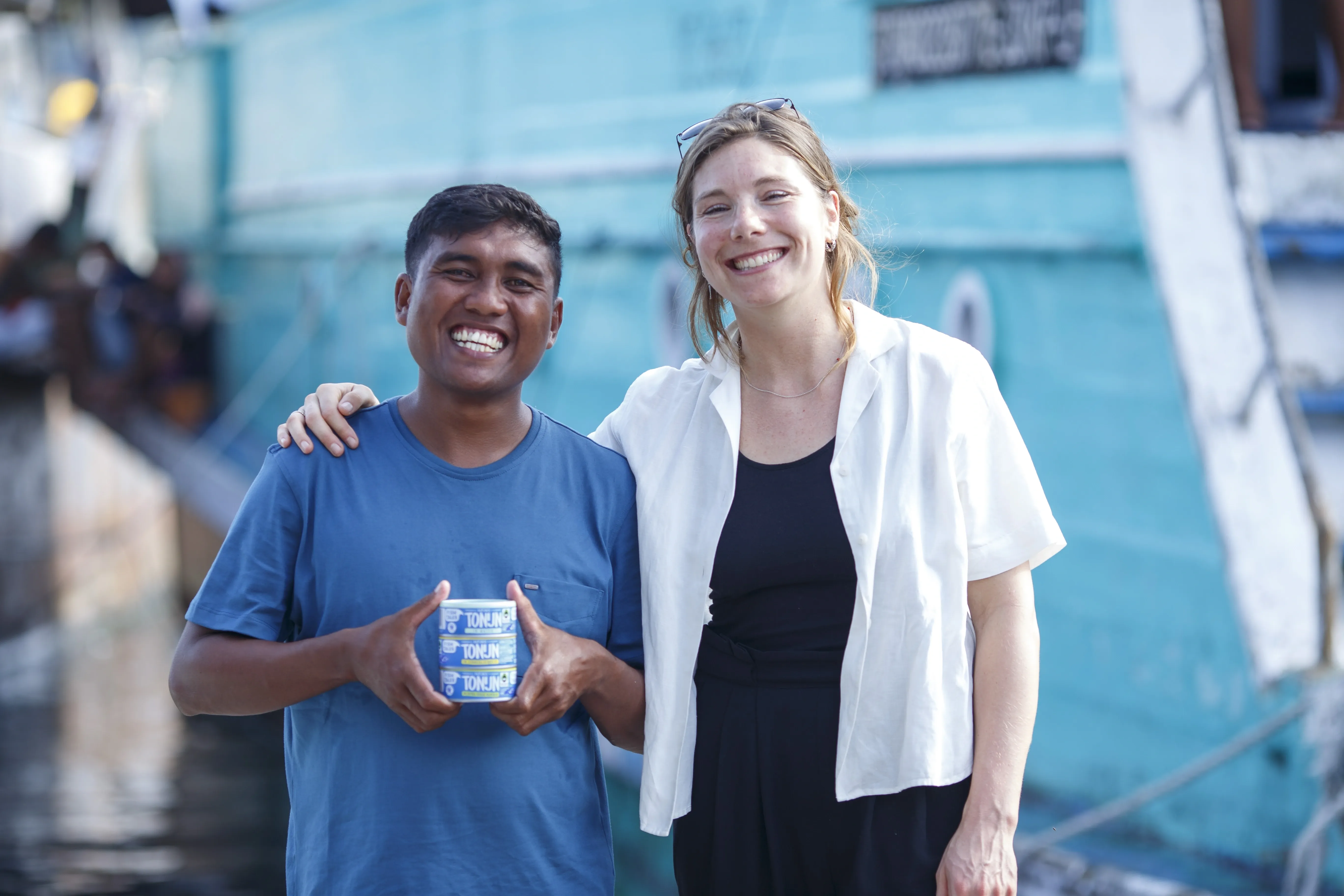 Impact Manager Irene and our ambassador Glein; at the tuna fishery in Bitung
What should you look out for when buying fish?
The Consumers’ Association gives consumers several useful guidelines. These are, in our opinion, the most important:
- Check the certification
Do you see MSC or ASC on the packaging? Then you know the fish has been independently checked for sustainability and traceability. If not, consult the VISwijzer (www.goodfish.com) to check whether the fish has been responsibly sourced (and is rated green).
- Pay attention to the fishing method and origin
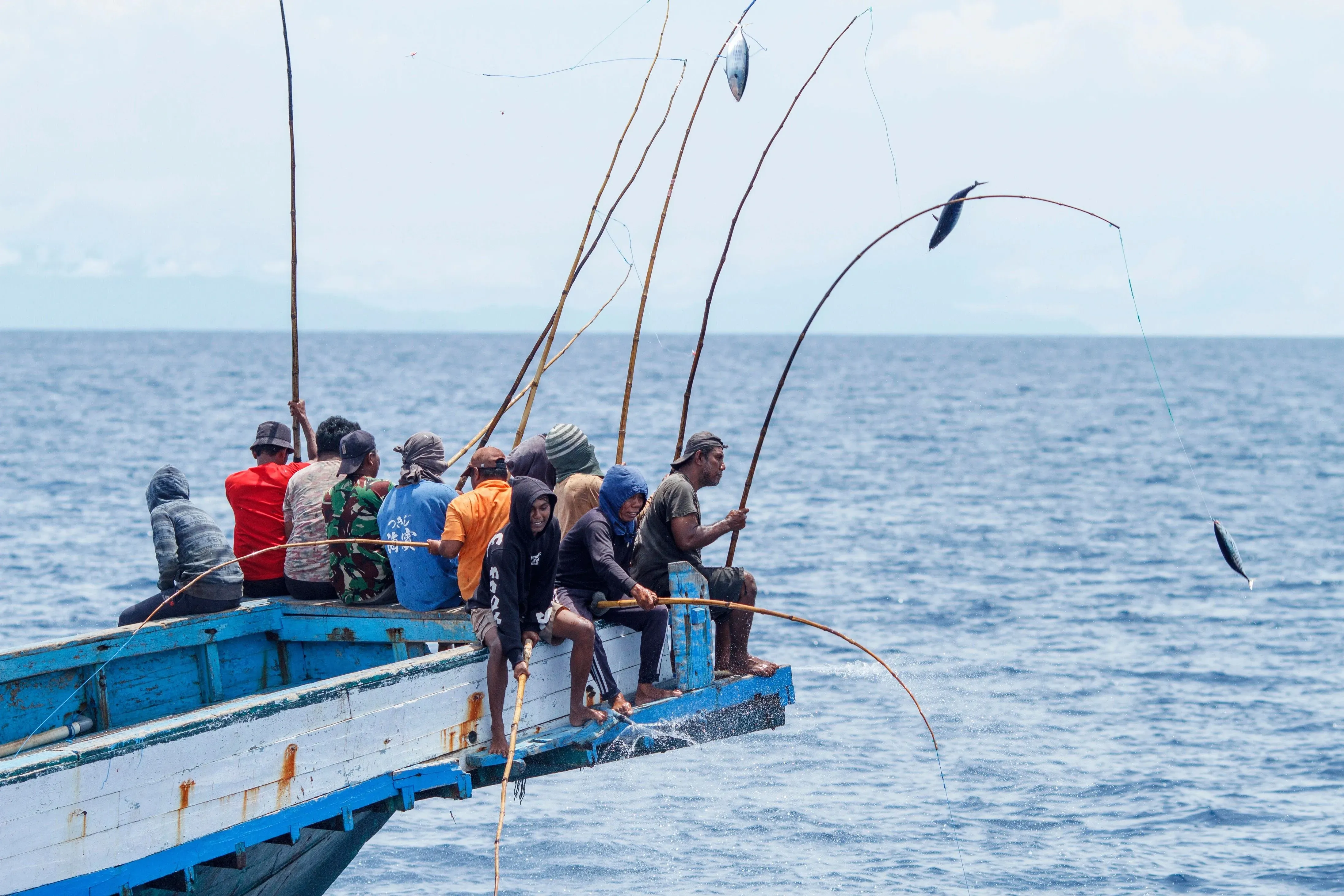
How a fish is caught makes a huge difference. That’s why, for example, we choose pole-and-line caught tuna instead of enormous nets that can empty entire ecosystems.
- Choose traceable fish
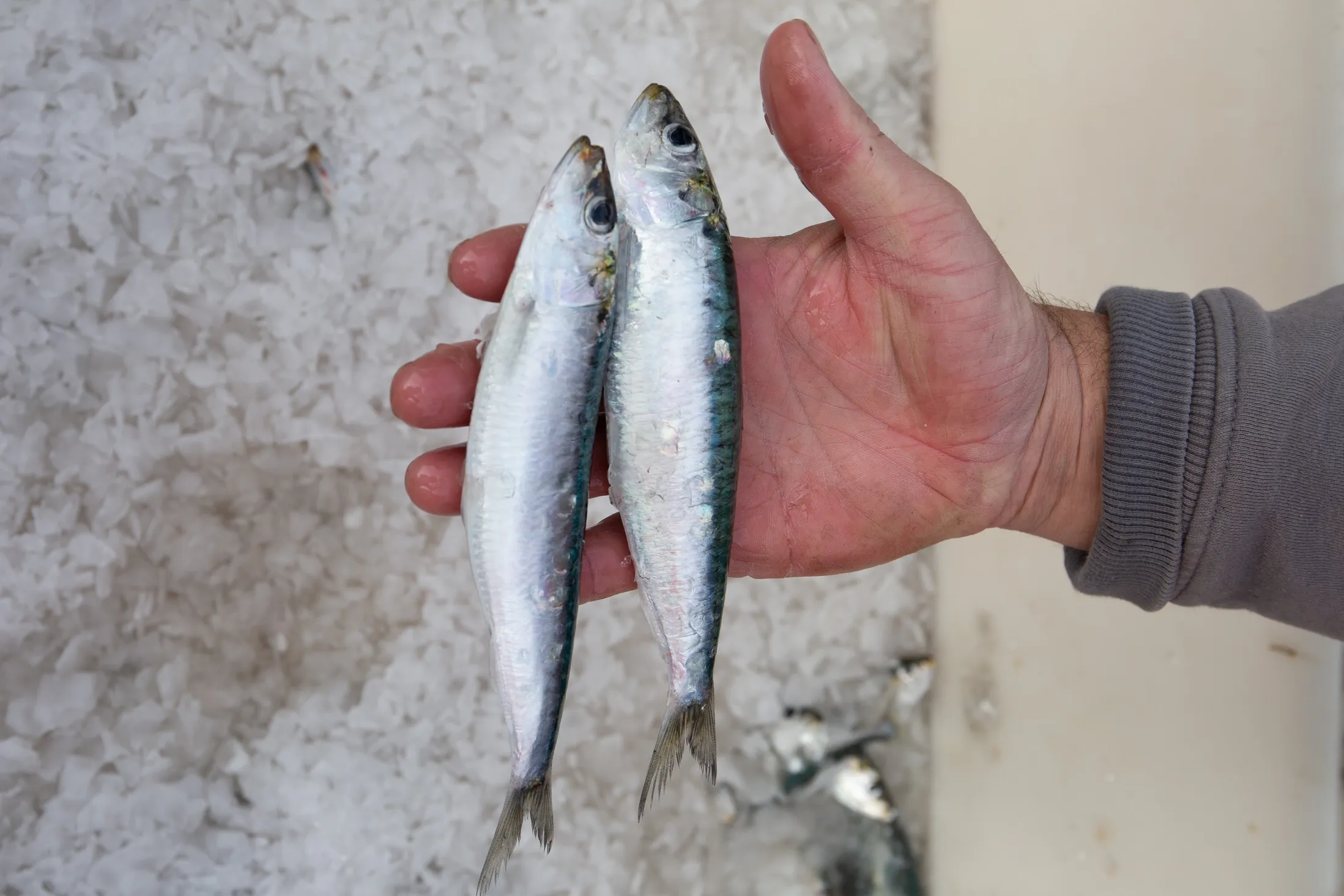
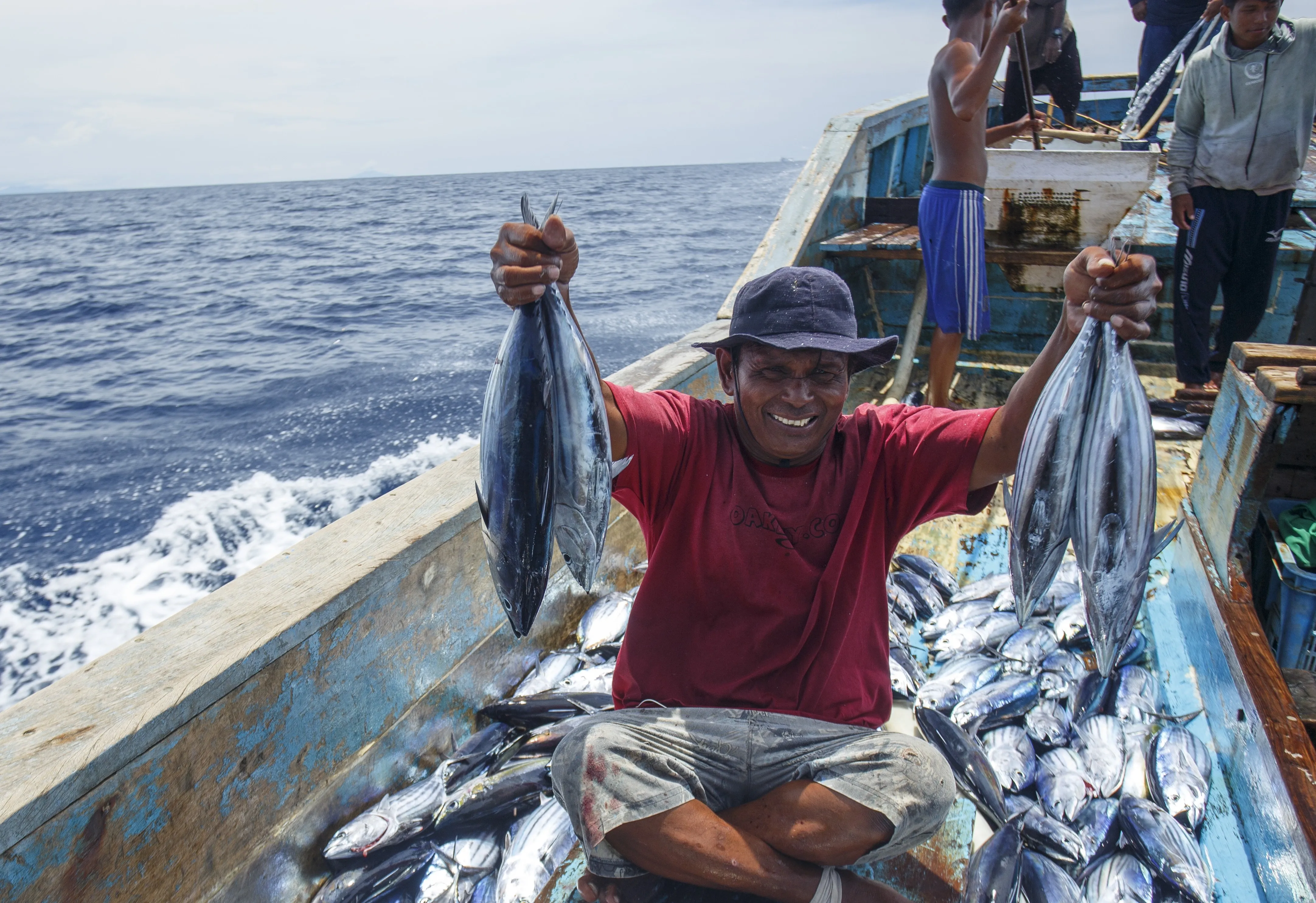
Can you find out where the fish comes from? Who caught it? Which method was used? At Fish Tales, every fish can be traced back to the fishery. On the packaging, you’ll see fishermen who represent a much larger community of fishers — from tuna fisherman Bije in Indonesia to sardine fisherman David in Cornwall.
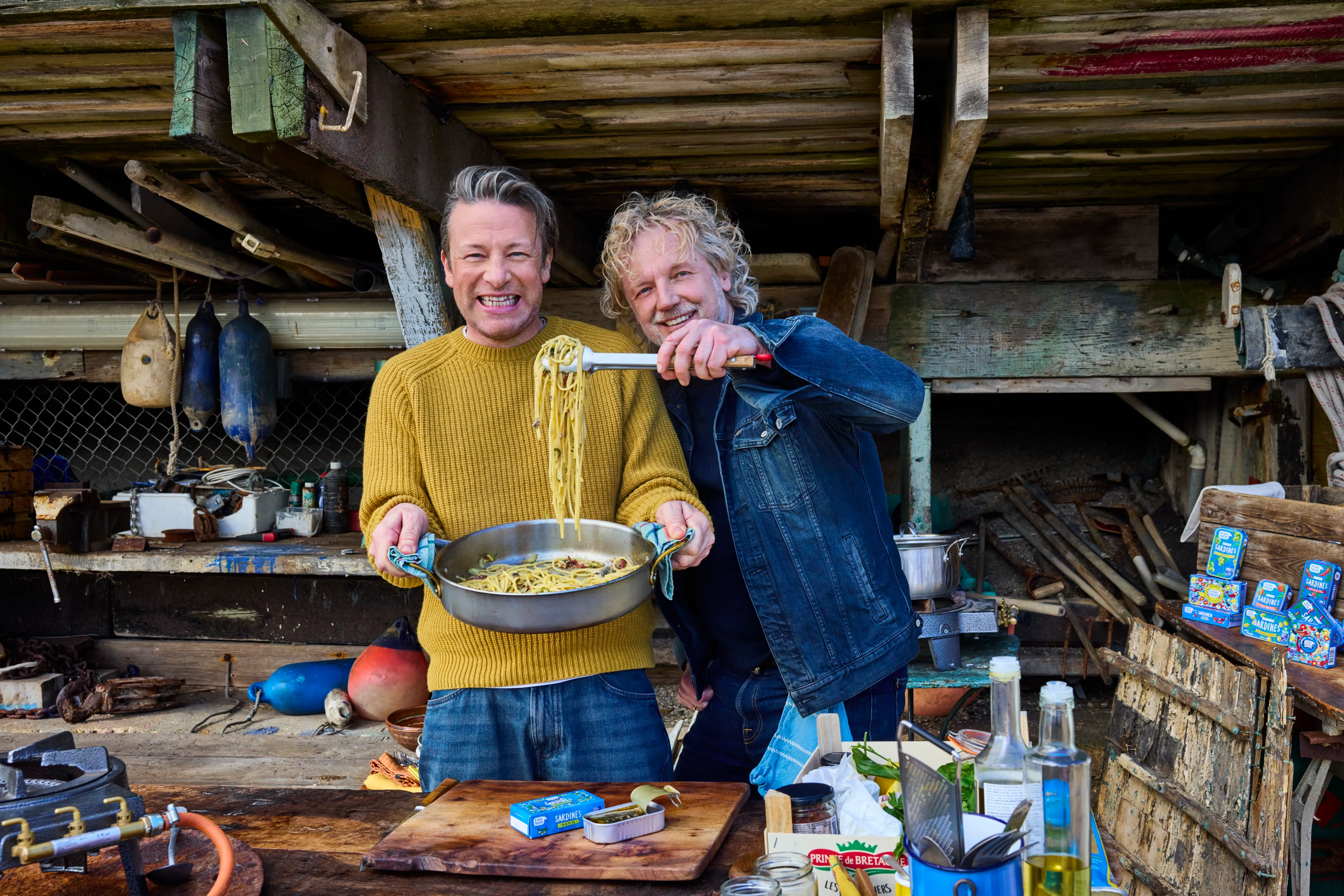
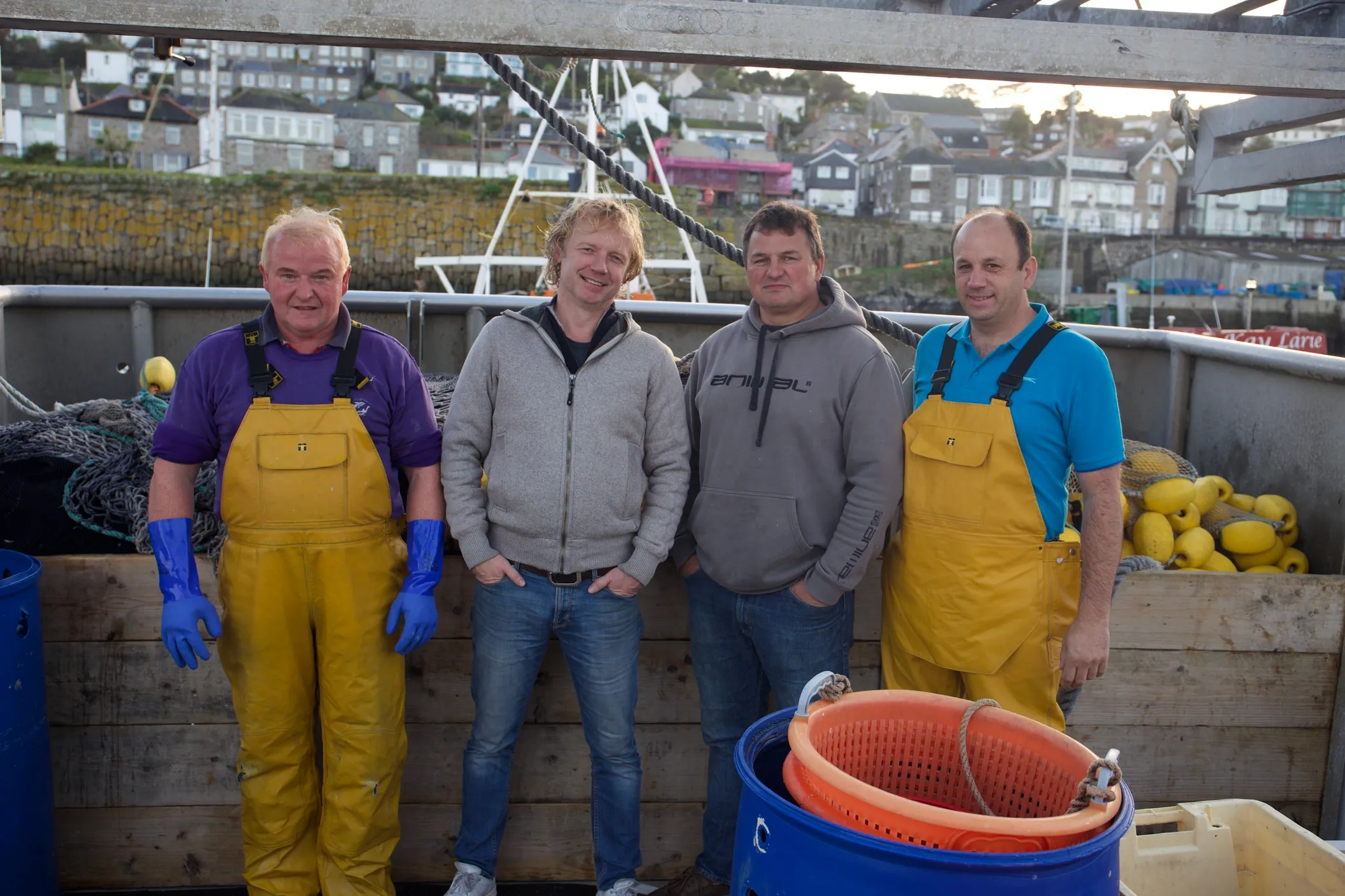 Bart with sardine fishers in Cornwall
Sustainable fish shouldn’t be complicated
What we appreciate about the Consumers’ Association article is that it shows consumers genuinely want to make better choices. But it also shows that clear information is still often missing.
That’s why we continue doing what we’ve stood for for years: telling the honest story. About what’s going well, but also about what still needs improving in the seafood industry. Because overfishing is one of the greatest threats to healthy oceans. Seafood comes from nature. And once it’s gone, it’s truly gone.
That’s why we choose a different course. With the tastiest seafood from fisheries that fish with respect for both people and nature.