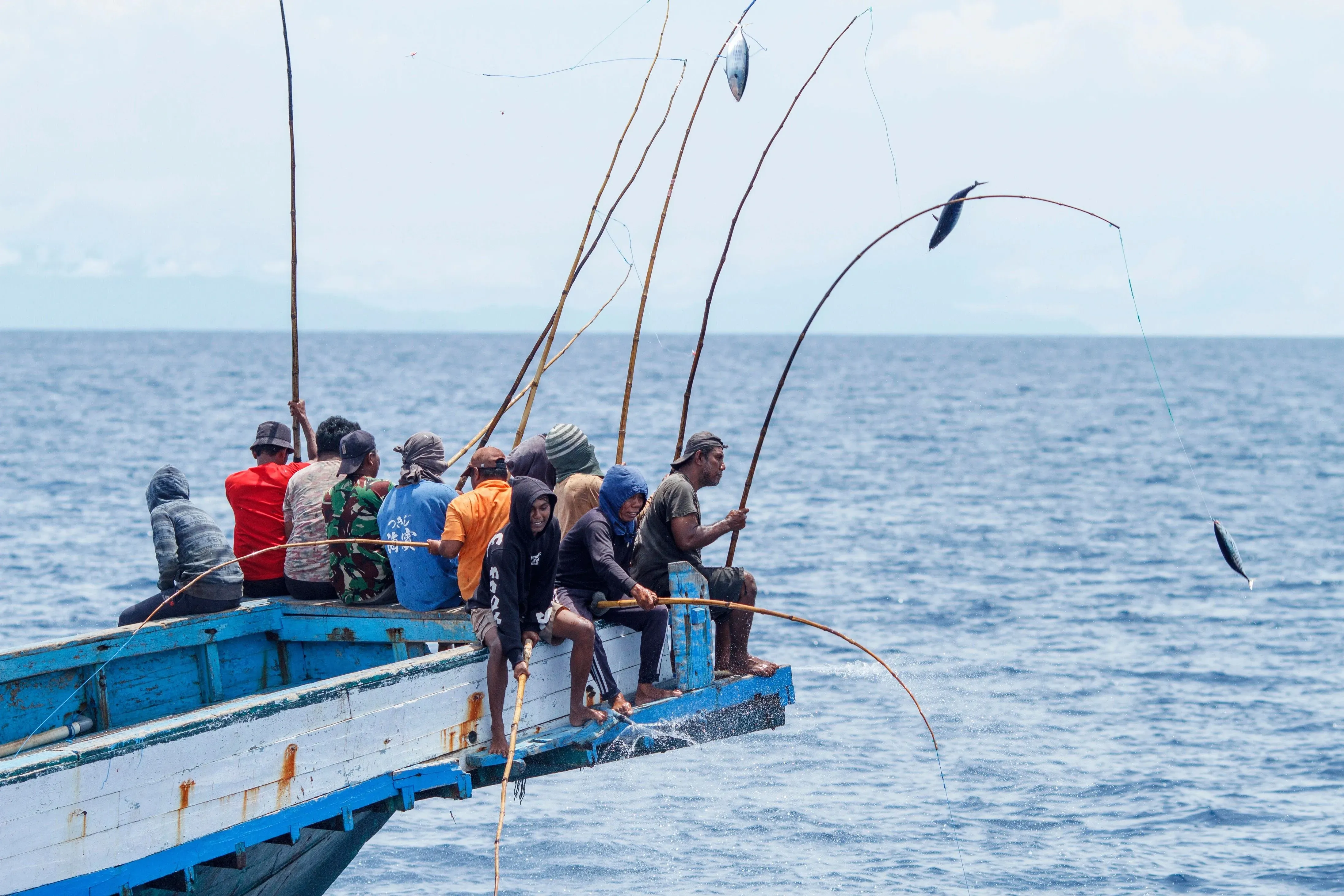
Our sardines are temporarily out of stock!
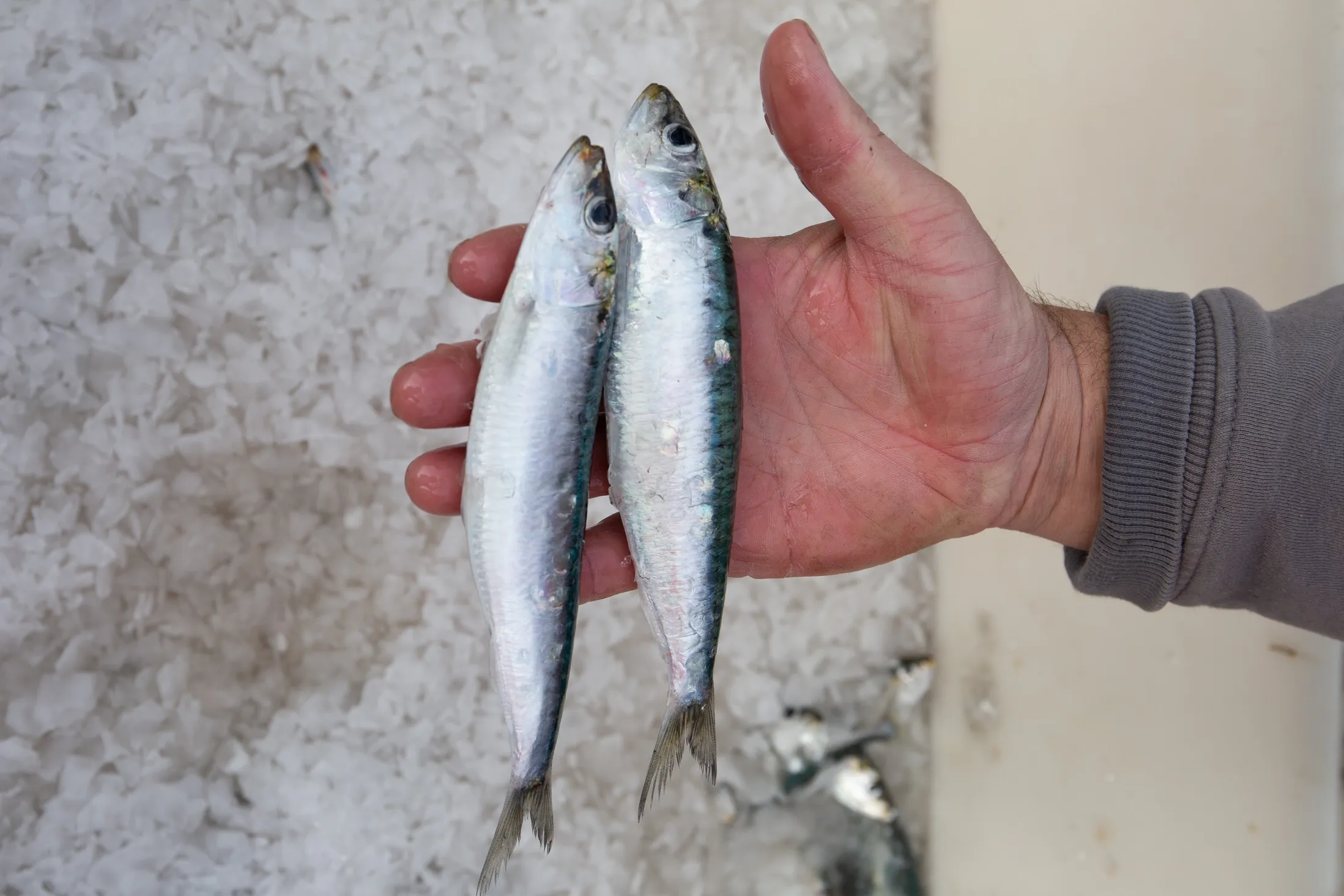
You might have noticed it in the supermarket: the shelf where our sardines usually are is suddenly empty. Good news and bad news at the same time. The good news: more and more people are discovering how delicious and nutritious sardines are. The less pleasant news: simply fewer sardines are available this year. And wild-caught fish, after all, remains a natural product.
Why are there fewer sardines?
The global sardine catch is under pressure this year. Especially in Morocco, one of the largest sardine fisheries in the world, catches are significantly lower than normal.
Researchers see several causes. Due to changes in the ocean, such as rising water temperatures, the plankton in the sea also changes, and that is precisely the food sardines live on. If there is less food, sardines grow more slowly and simply fewer swim around.
The result: fishermen often return with empty nets, or catch sardines that are still too small. And of course, they let those swim away. Because Morocco is such an important supplier for the global market, this immediately leads to shortages elsewhere.
Wild-caught fish remains a natural product
The special thing about fish is that it still comes from nature. It is one of the last products we do not 'make' ourselves, but which we harvest from the sea. And that comes with a caveat: sometimes the ocean simply gives less.
At Fish Tales, that means only one thing: we never catch more than is responsible. Not even if the demand for sardines grows. So sometimes that can mean the shelf is temporarily empty. But rather that, than an empty ocean.
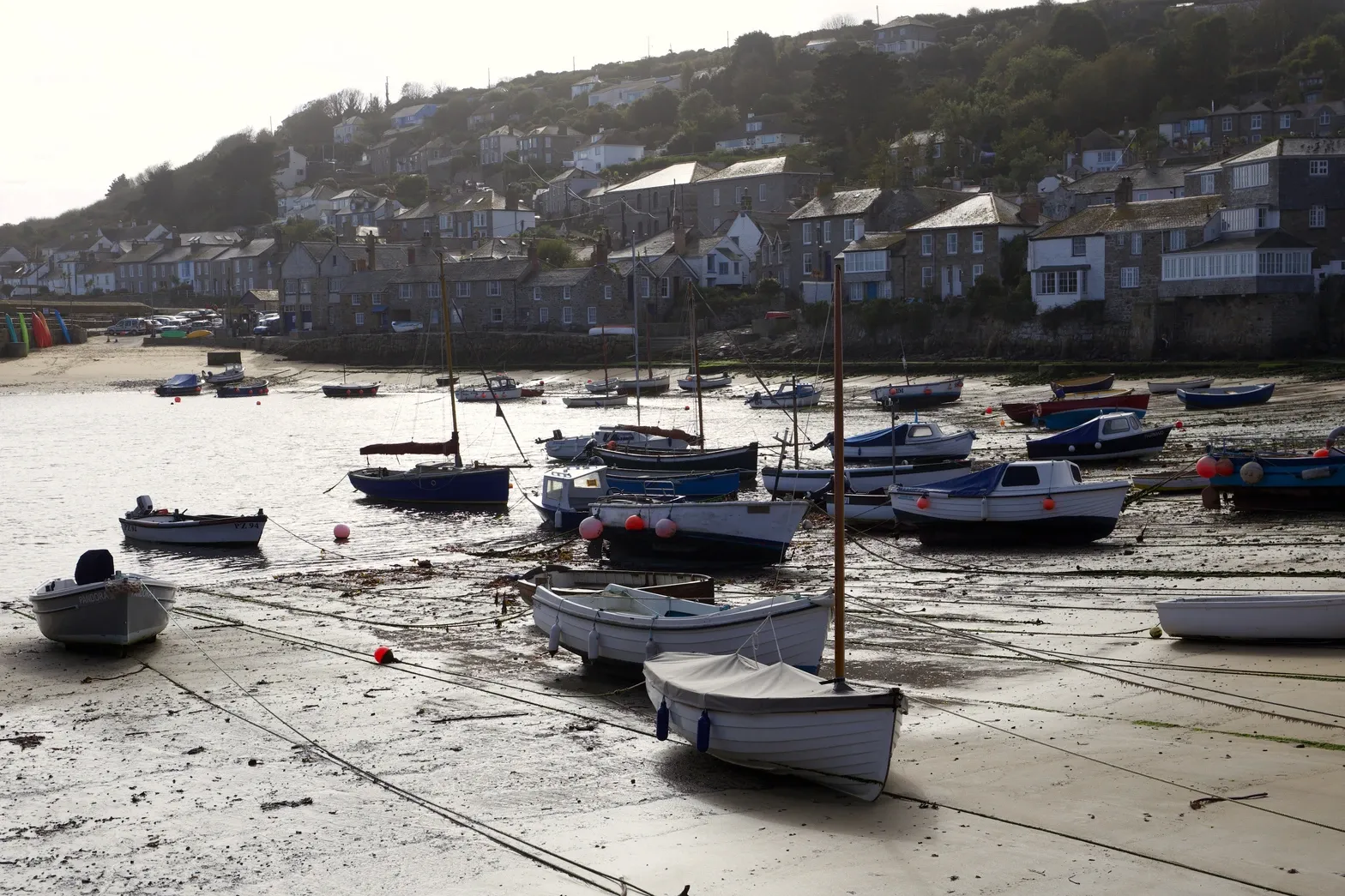
Our sardines: Pilchard from Cornwall
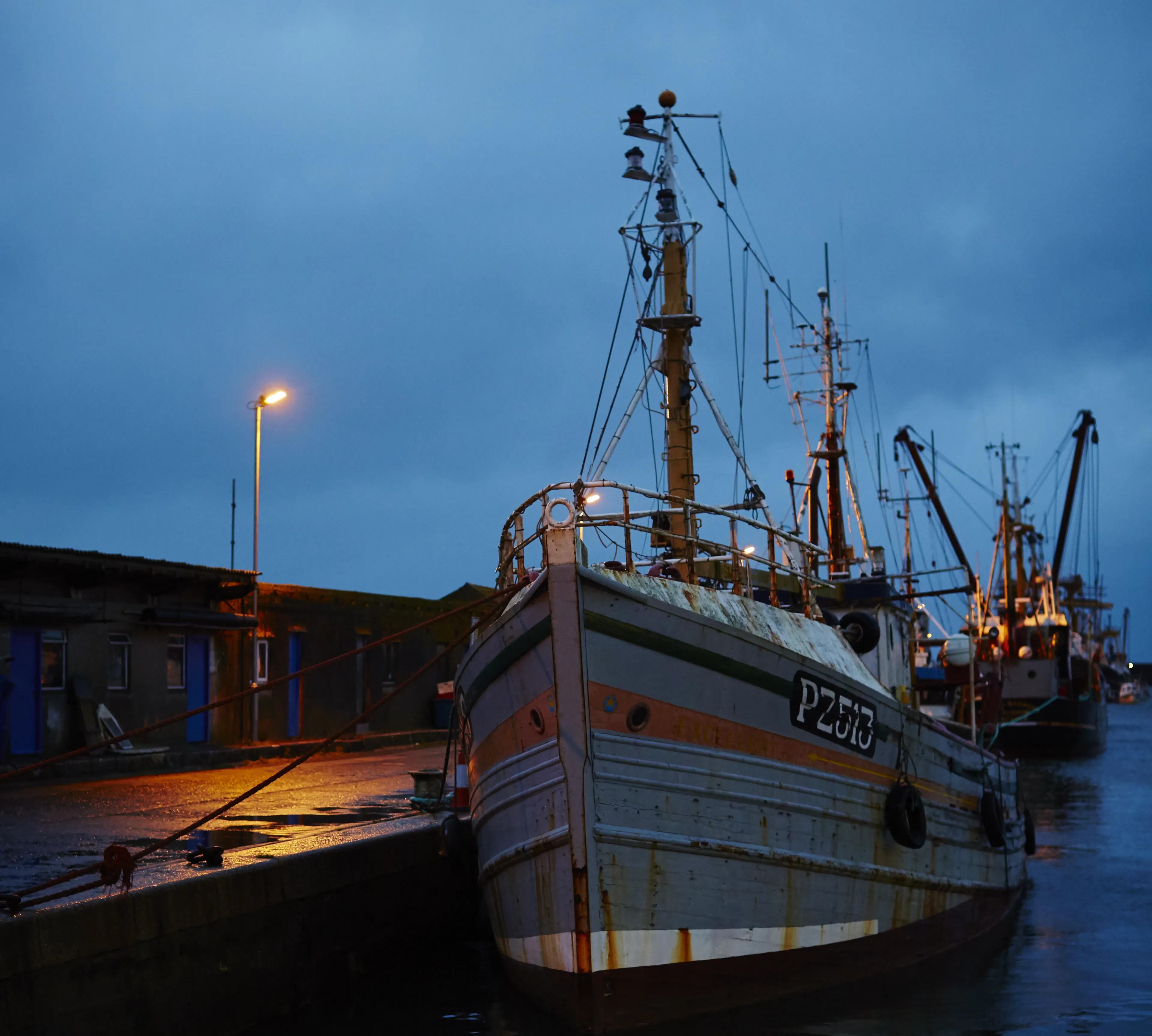
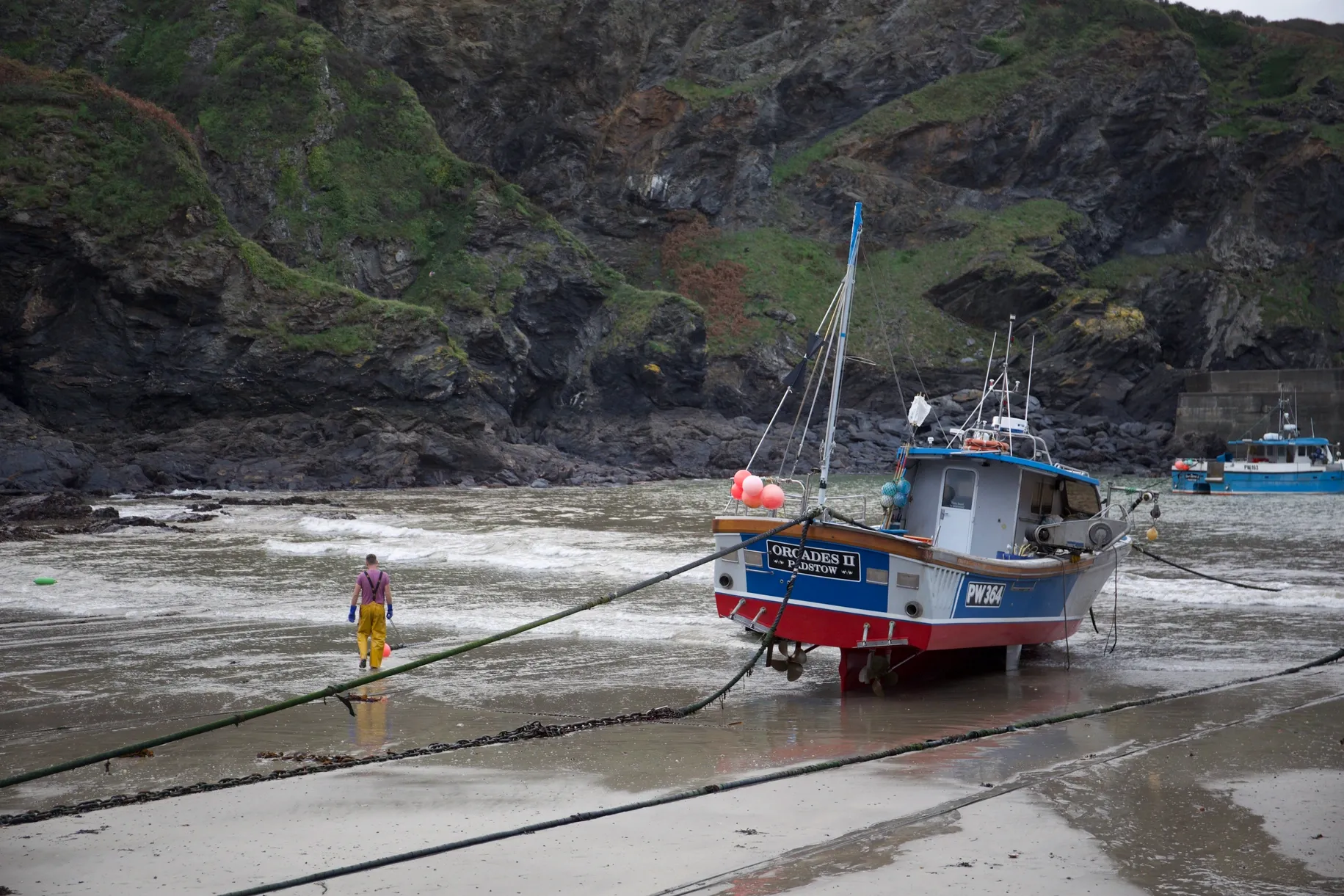
Our sardines are not just any sardines. They are Pilchard sardines (Sardina pilchardus) from Cornwall, in the southwest of England. In Newlyn, a small coastal town, the adventure only begins when evening falls.
The fishermen prepare their small boats and sail out into Mount’s Bay. The setting sun is their signal to search for schools of sardines. Because this fishery primarily takes place at night.
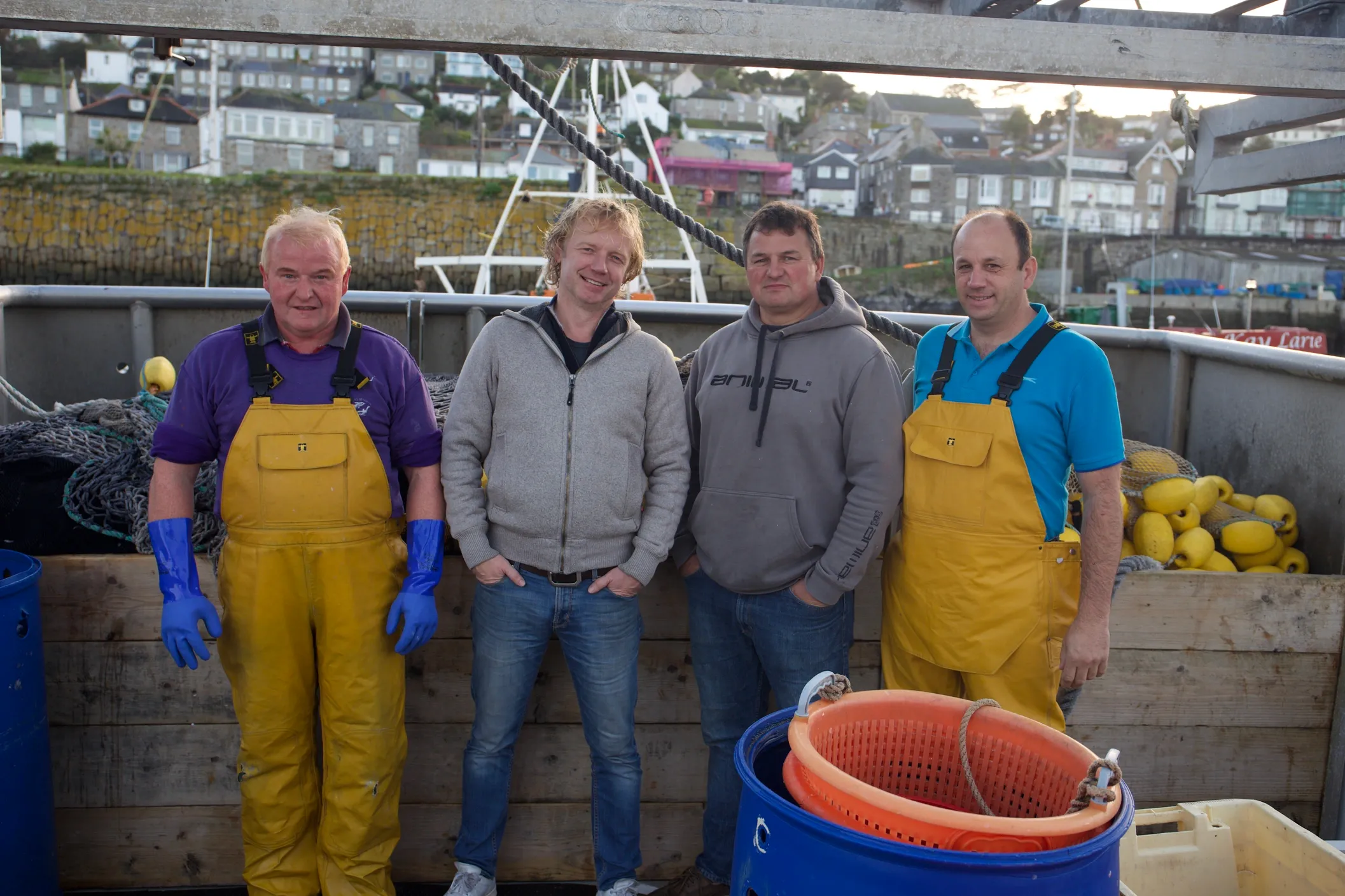
As soon as it gets dark, the fishermen use lights to lure the sardines to the surface. Sardines swim in compact schools and are attracted to light. When the sonar detects a school, a small purse seine net is deployed to gently enclose the fish. Then the net is pulled closed from below – a bit like a basket closing.
Because the sardines swim in dense schools, fishermen can target their catch very precisely. This keeps the impact on the ecosystem small, and virtually only sardines are caught.
Small boats, small nets, and a fishery that has operated the same way for generations. Watch the full video here.
They will be back
So for now, no sardines on the shelf. But don't worry. As soon as catches pick up again and enough sardines are available, they will be back in stores.
And until then? Try our mackerel, tuna, or anchovies. Each of them also caught by fishermen who follow the exact same principle: only fish what the ocean can provide.