That's why the UN established World Tuna Day in 2016: May 2. A day to reflect on how tuna is caught. Since then, many tuna stocks have become healthier. Good news, but this does not solve the problem. Because it's not just about how much tuna there is – but also about how it's caught.
Take skipjack and albacore, the types you most commonly find in cans. Most of these stocks are not overfished. However: most of this is caught using methods that result in a lot of bycatch. Think of sharks, turtles, and juvenile tuna. That makes the system vulnerable – and simply unsustainable in the long run.
We do things differently.
It's getting better, but we're not there yet
Most tuna now comes from healthy stocks. That's an important step forward. But with millions of tons of tuna caught worldwide, healthy tuna stocks alone are not good enough. And there's still a lot to gain there.
That's why all our tuna is caught using the most selective fishing method available: with the pole and line.
Catching tuna one by one
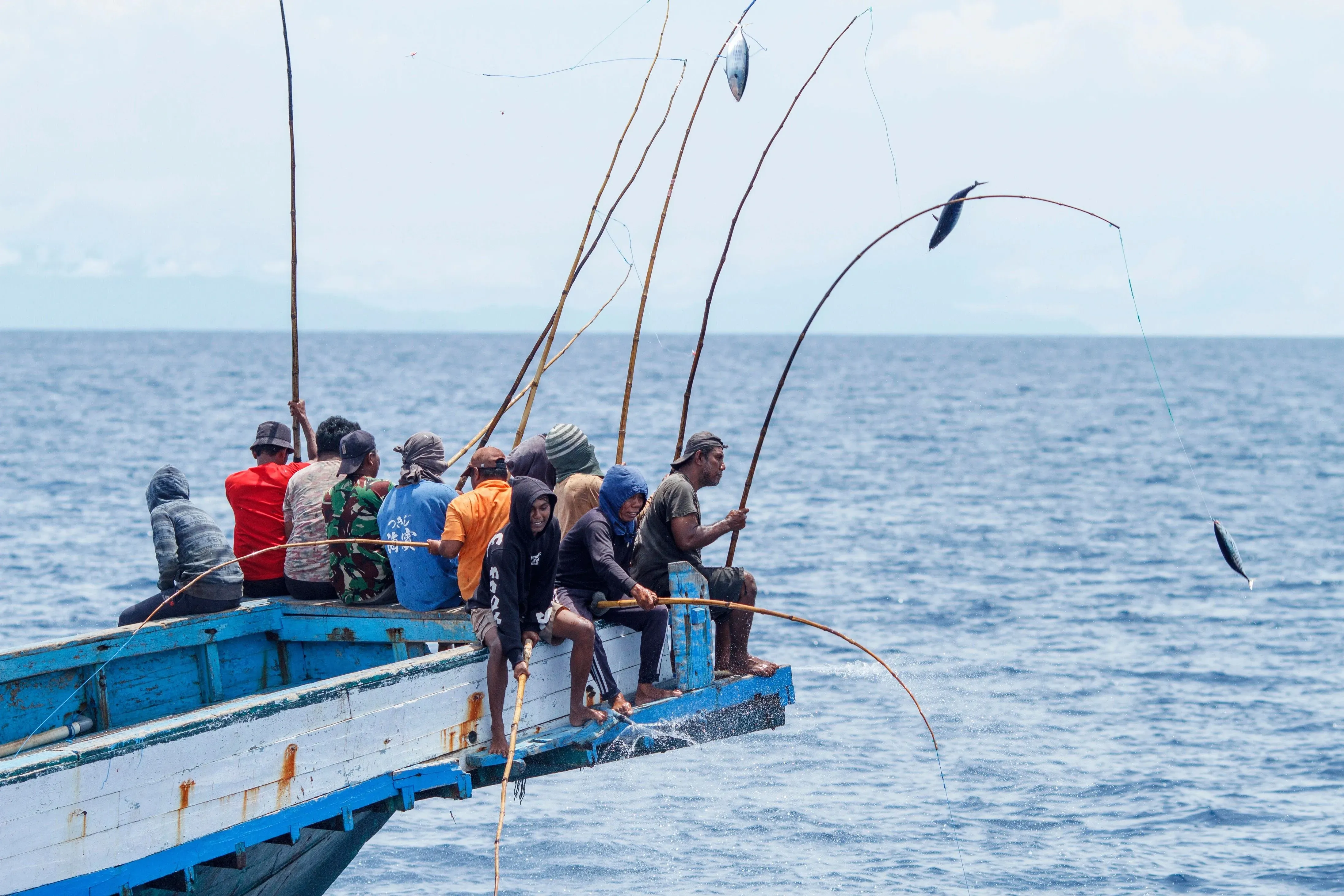
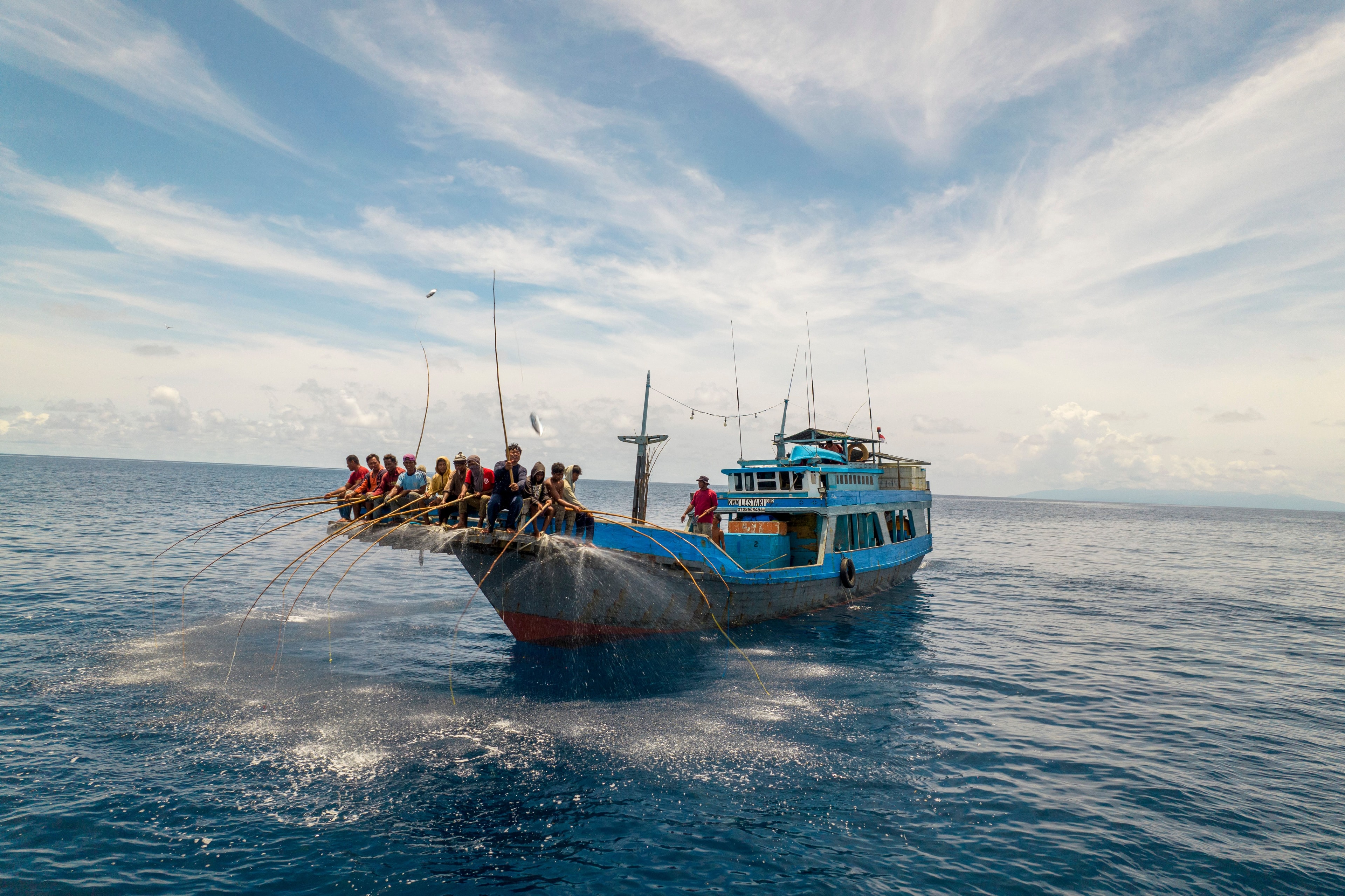
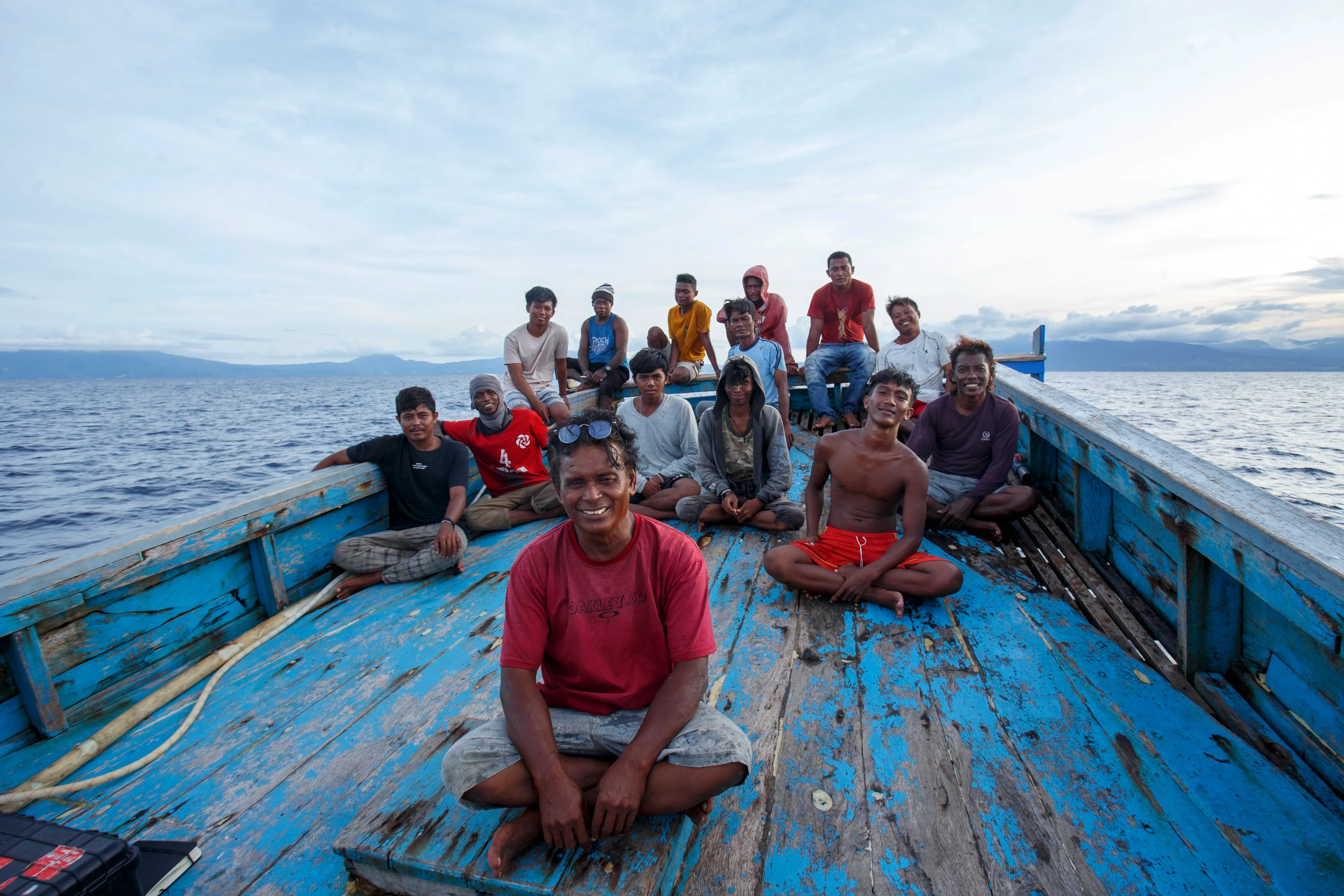
Pole and line fishing is the opposite of large-scale, harmful tuna fishing. On small boats, fishermen sit side-by-side, waiting for the tuna to bite. With a pole and hook, the fish is then caught one by one: without nets, without mass catches. With virtually no bycatch – and absolutely no bycatch of endangered species.
We work with fishing communities where pole and line fishing has been passed down for generations. Like in Indonesia, where our ambassadors Glein in Bitung and Karim in Maumere set sail with their crew. They represent a large group of fishermen who work in the same way – their knowledge of the sea and fishing makes all the difference. And every day, they show that there's another way.
Sustainable and fair
Behind every fishery are people. That's why our cans of skipjack tuna, besides being caught entirely with pole and line, are also Fair Trade! In Bitung, we have been working with a Fair Trade-certified fishery for years. And since last year, a second one has joined: in Maumere.
With Fair Trade, we ensure that fishermen work under safe and fair conditions. And that they can build their community. For every can sold, the fisheries receive an extra premium: a fixed amount that goes directly back to the community. The fishermen themselves decide where this is most needed.
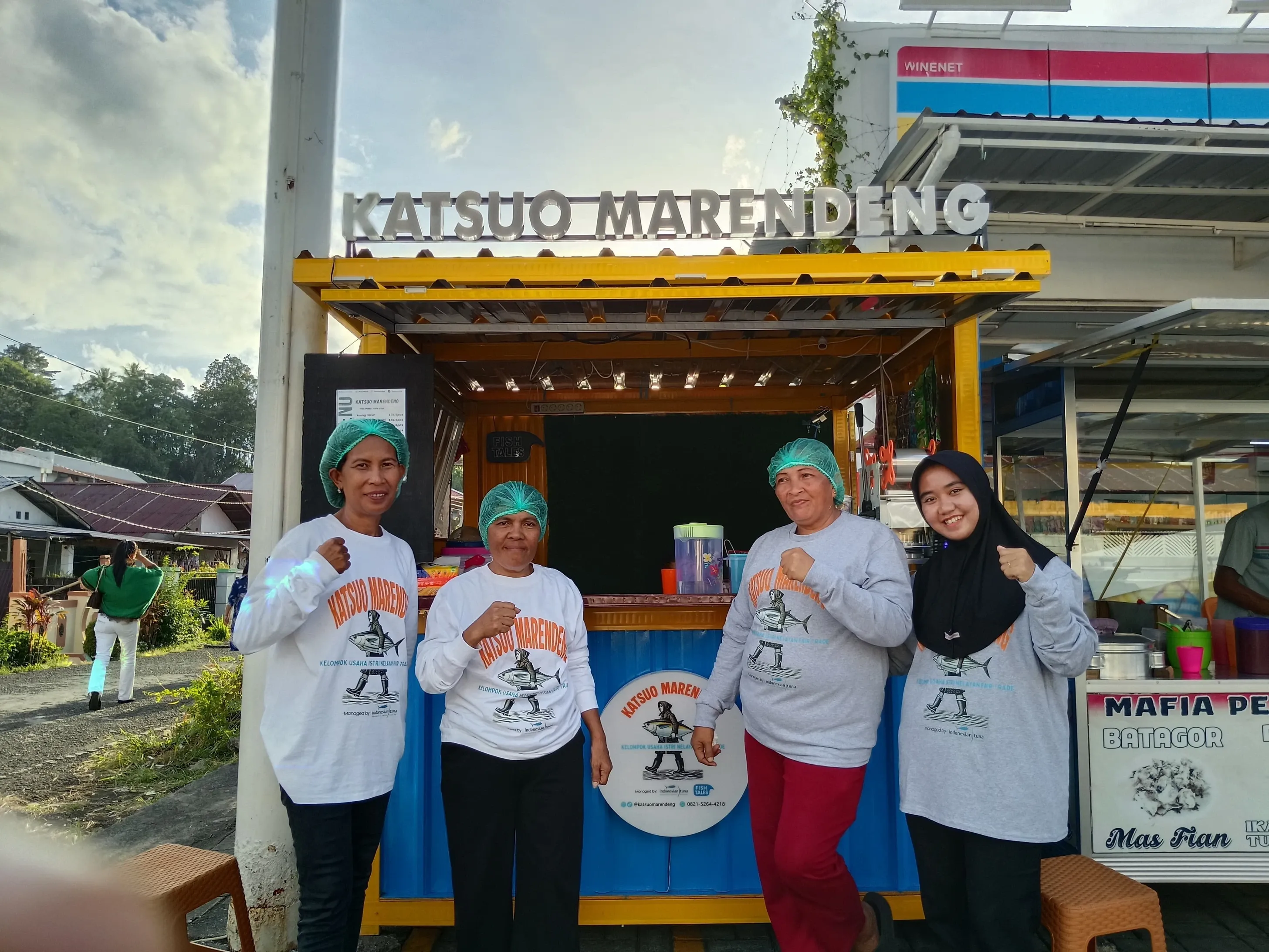
This premium is used for basic needs such as bags of rice, school books for children, and waste disposal facilities in the community. But sometimes it goes beyond that – for example, a group of fishermen's wives even started a new business with it this year. Read more about it here.
You make the difference
So the next time you stand in front of the shelf with cans of tuna in your hand, take a moment. How was the fish caught? And do you want to support that method? With that choice, you determine which fishing method continues – and which does not.
Choose consciously and help good fishing move forward. This way, tuna remains something to enjoy, now and in the future. Will you join us?