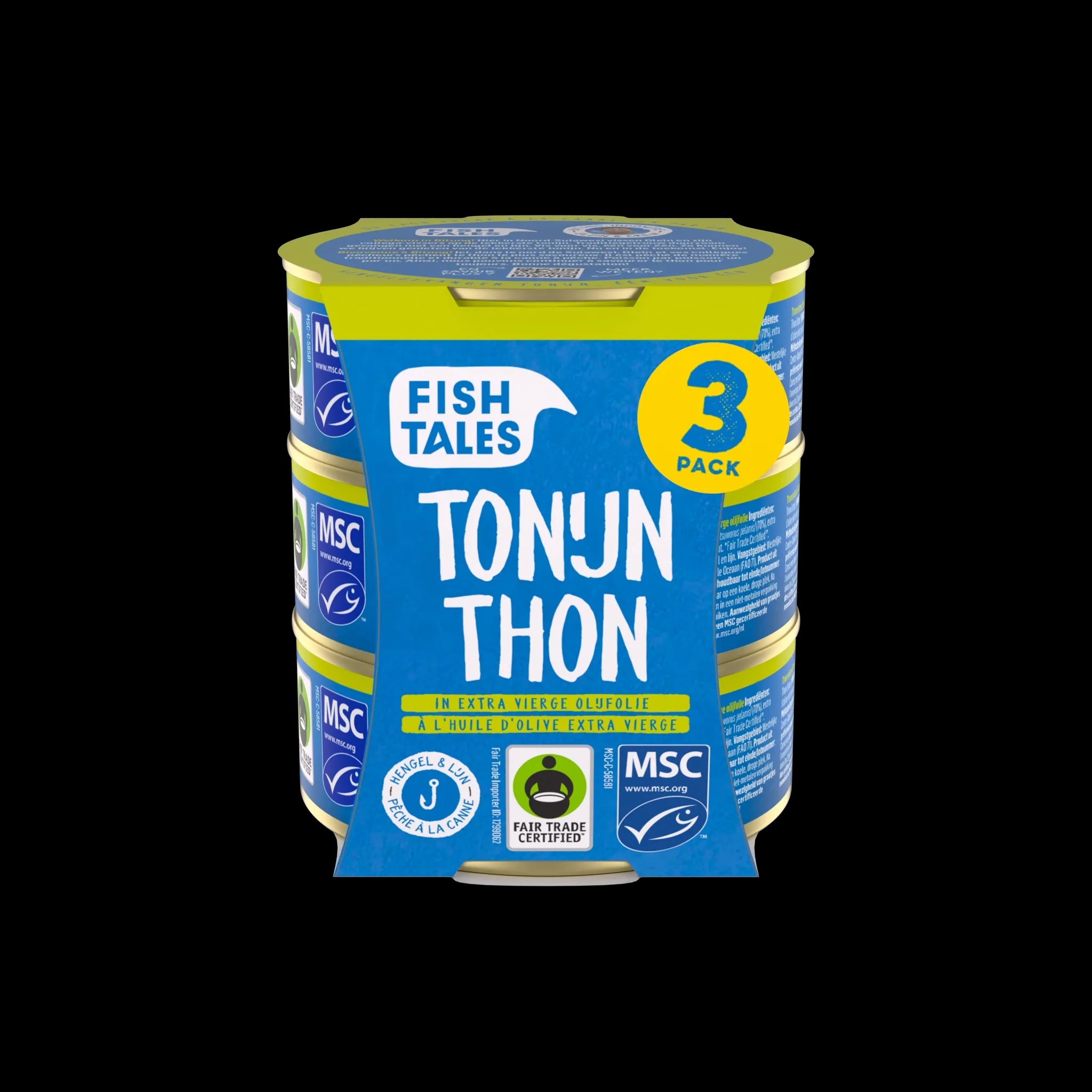
Skipjack tuna in olive oil 3-pack
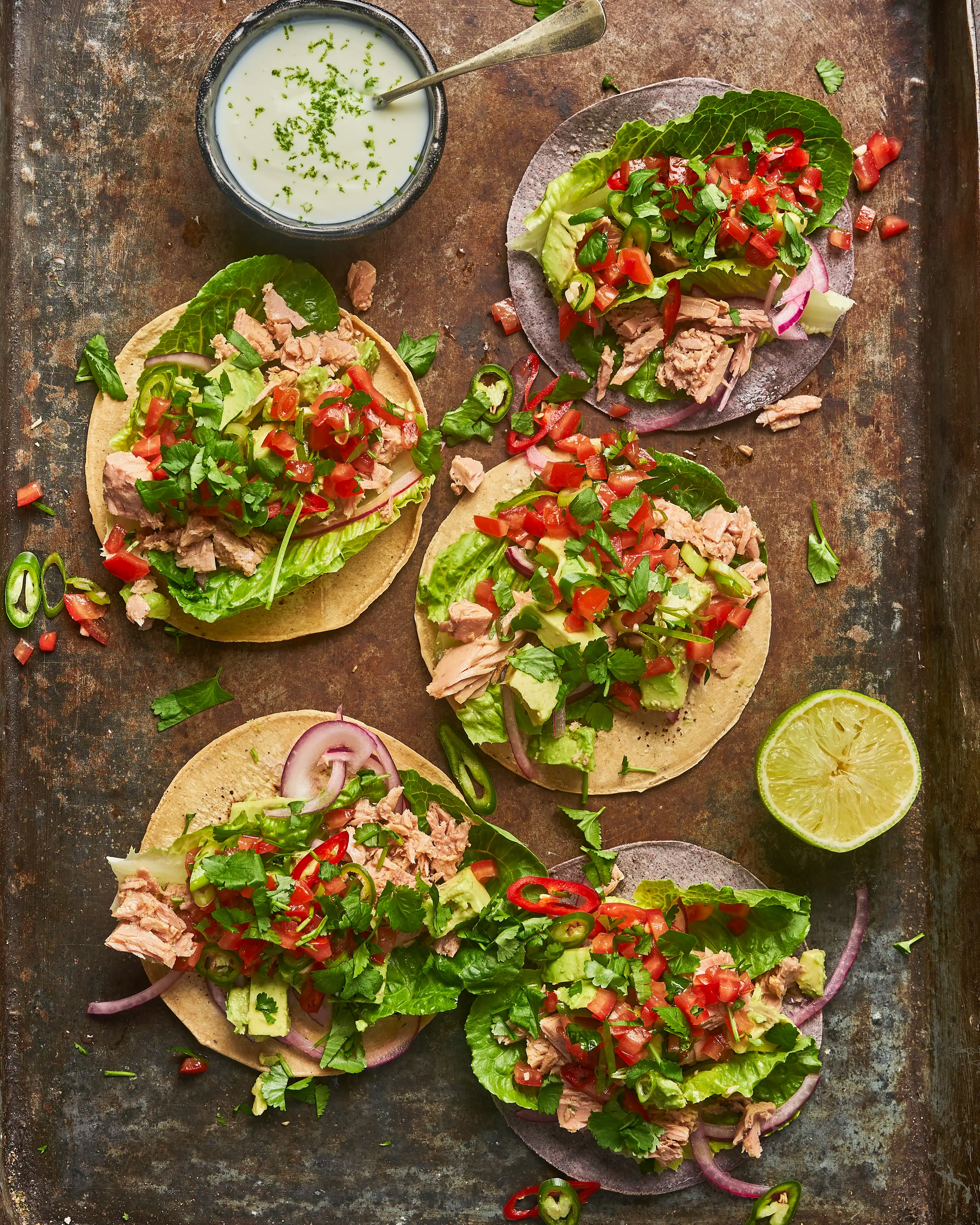
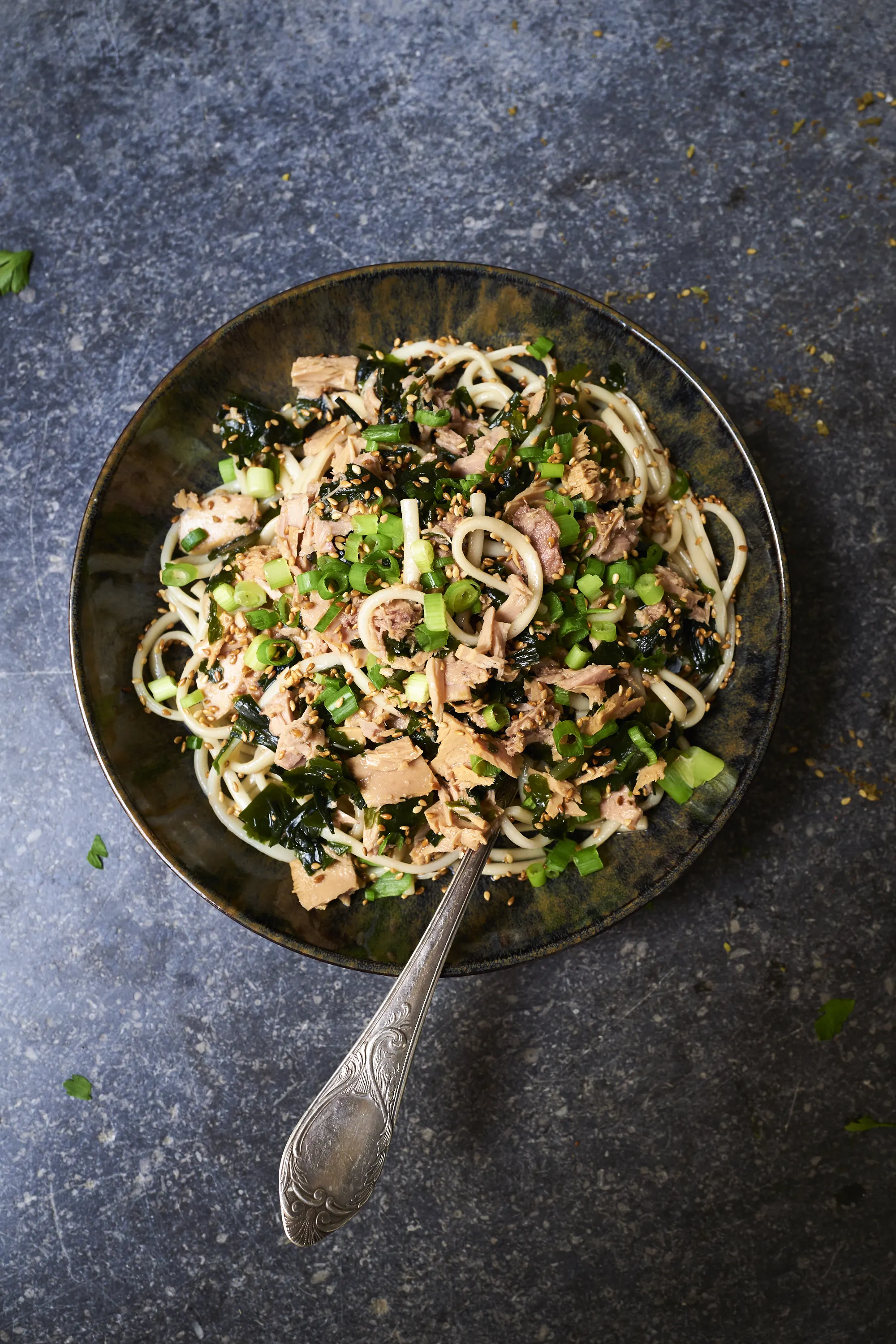
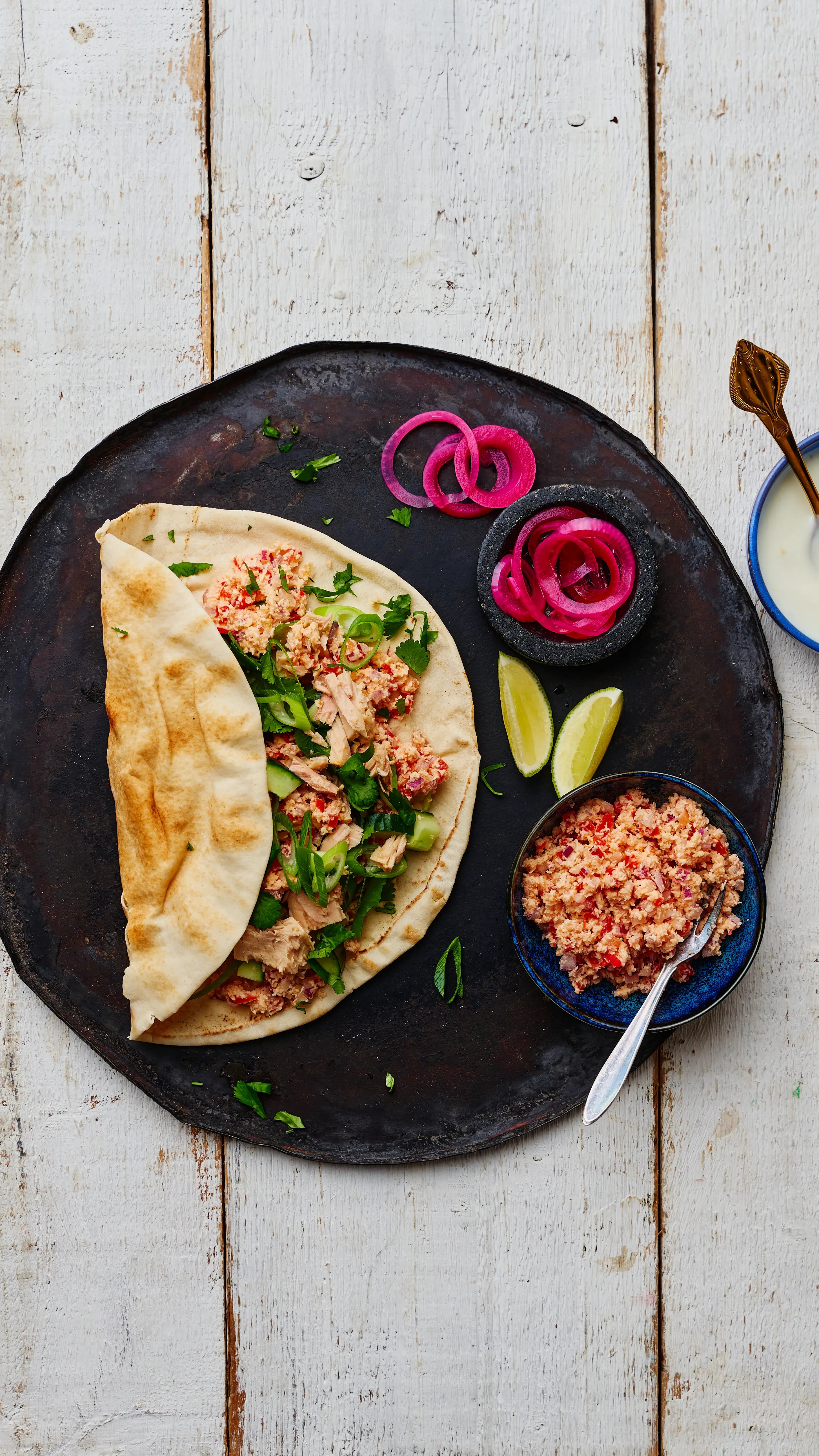
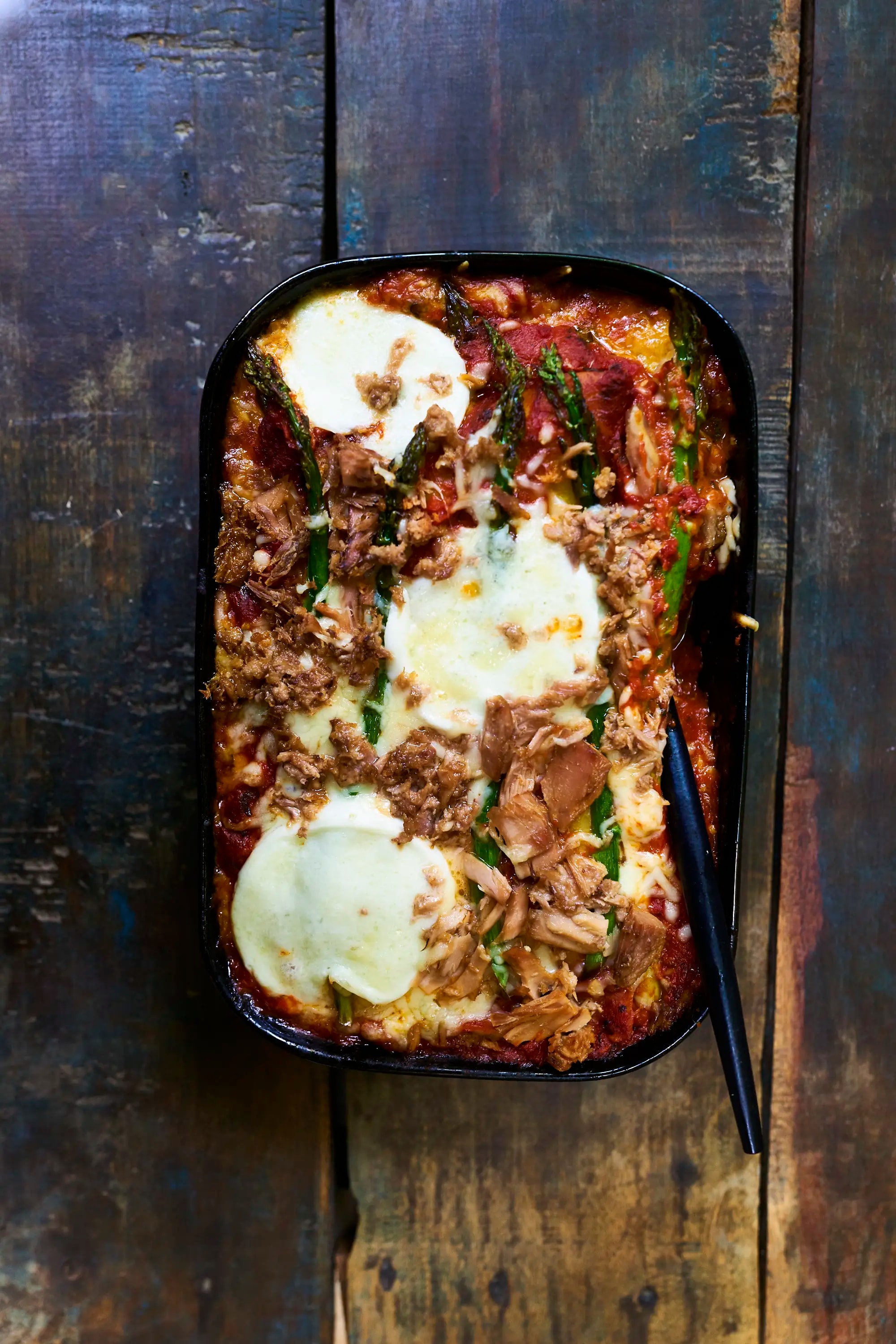
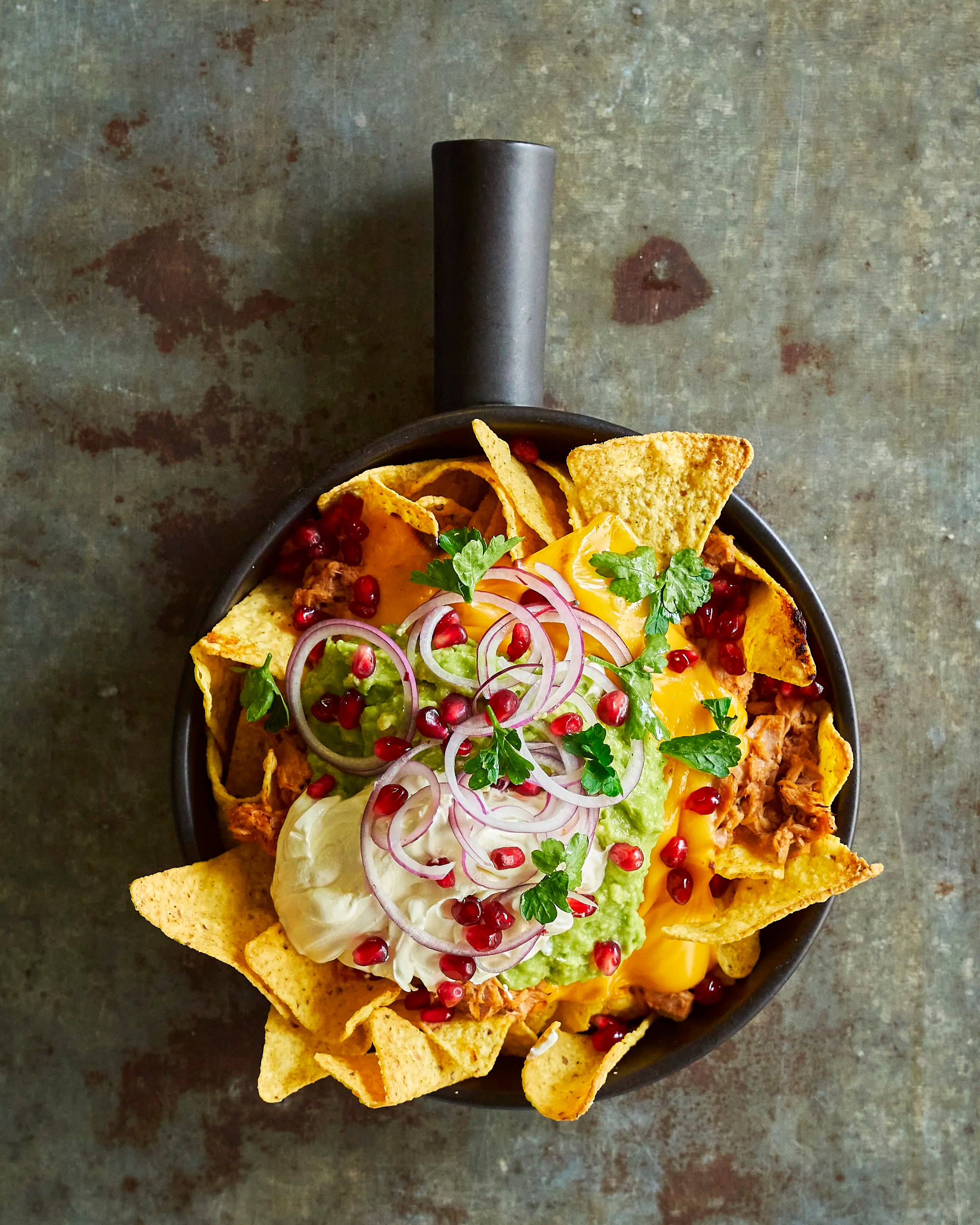
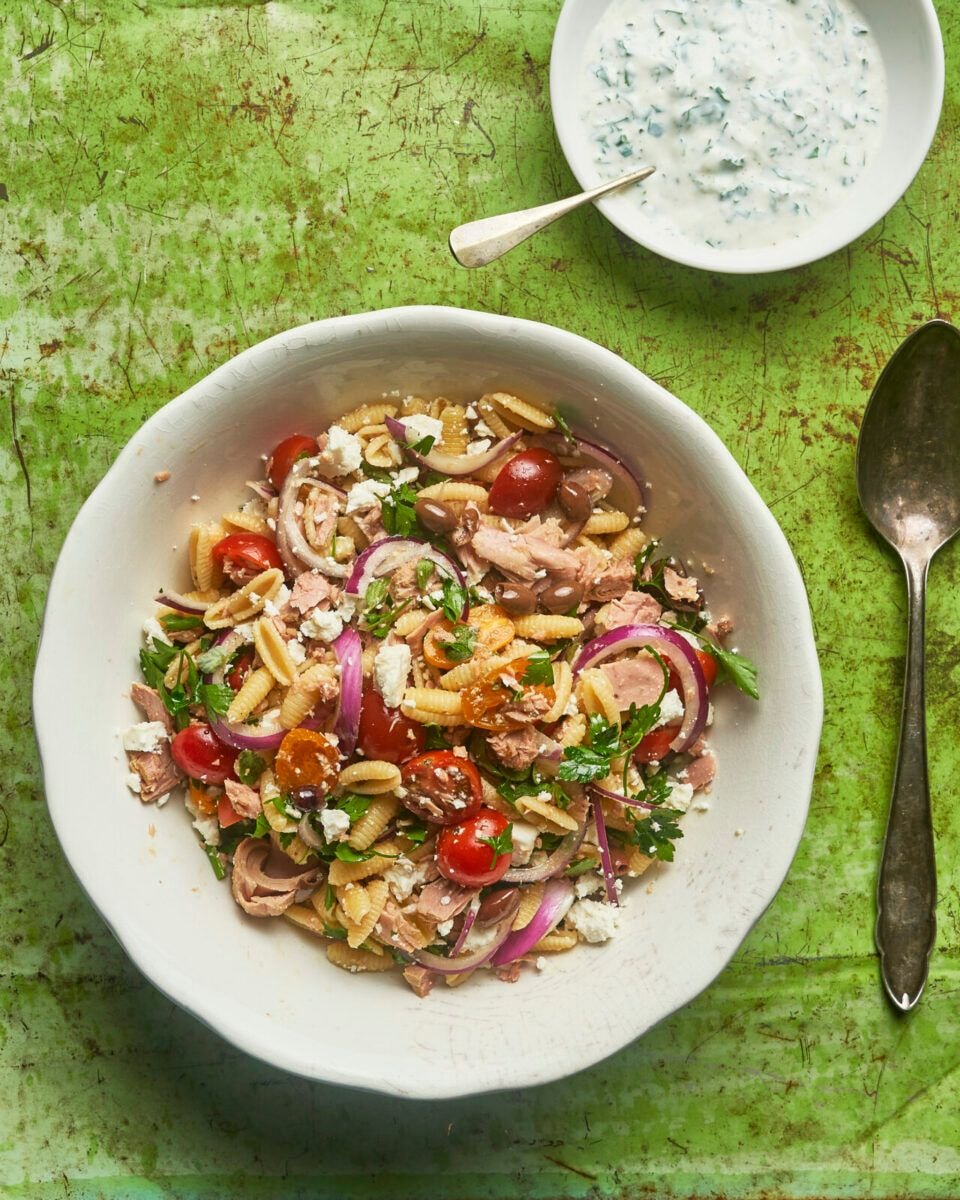
Our skipjack tuna in olive oil is a flavorful all-rounder. Sustainably caught with pole and line in the Pacific Ocean - one by one, with negligible bycatch. The addition of olive oil gives the tuna a full, rich flavor and makes it perfect for both cold and hot dishes, such as salads, pasta's and wraps.


Together with his fellow fishermen, a total of 6 boats, Glein Stein seeks adventure! Fishing with pole and line gives him the thrill with every catch and the adrenaline that cannot be found anywhere else.
Mercury in fish is something to be aware of, but it needs some context. Mercury enters oceans through human pollution and is stored in the tissue of fish. The longer a fish lives and the higher it is in the food chain, the more mercury it can accumulate. Smaller fish tend to have much lower levels.
The tuna in our cans in the Netherlands is skipjack (Katsuwonus pelamis). This is a smaller tuna species that matures quickly and accumulates less mercury. The levels in our tuna typically range from 0.1-0.2 mg/kg, which is well below the legal limit of 1 mg/kg and under the standard fish limit of 0.5 mg/kg.
Are you pregnant? Then it's best to skip tuna for now. Don't worry, you can still enjoy the health benefits of fish! For example, choose our smoked Norwegian salmon (provided it's well-heated) twice a week, or our wild Sockeye salmon (also well-heated) once a week. This way you'll still get those valuable omega-3 fatty acids.
Skipjack tuna, also known as Katsuwonus pelamis, is a smaller tuna species and the star of canned tuna. This fish has a strong, distinctive tuna flavour that enthusiasts recognize immediately. Skipjack contains less fat than larger tuna species, but still offers plenty of protein and omega-3 fatty acids.
Another advantage? Skipjack contains significantly fewer harmful substances like heavy metals, because it is smaller - therefore lower in the food chain, and has a shorter lifespan.
Want to know if your tuna is a sustainable choice? Pay attention to three things:
-
MSC Certification Check if the tuna is MSC-certified. This ecolabel guarantees that the fish has been caught in an ecologically responsible manner, in areas with good agreements on fishing quotas that prevent overfishing.
-
Fishing Method Pole and line is the most sustainable way to catch tuna. With this method, fish are caught one by one, with minimal risk of bycatch of other species. Other methods, such as longline and purse seine, can have a greater impact, especially if no measures have been taken to prevent bycatch.
-
Origin and Species Look at where the fish comes from and what species it is. This will help you to better understand how sustainable your choice is.
-